Water Damage Restoration Mount Pleasant, TN
A split pipe, a stained ceiling or creek water across a floor keeps causing damage until it is dried. The Mount Pleasant restoration team extracts the water, opens wet materials, dries the structure and records every reading.
(888) 849-5796Call a Mount Pleasant water pro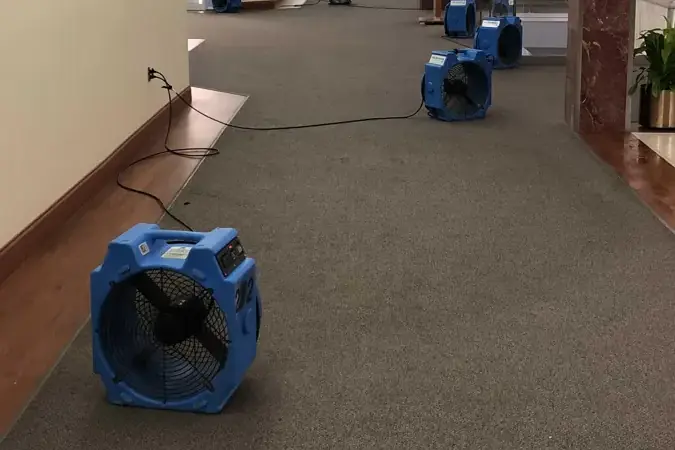
Water damage services for Mount Pleasant homes
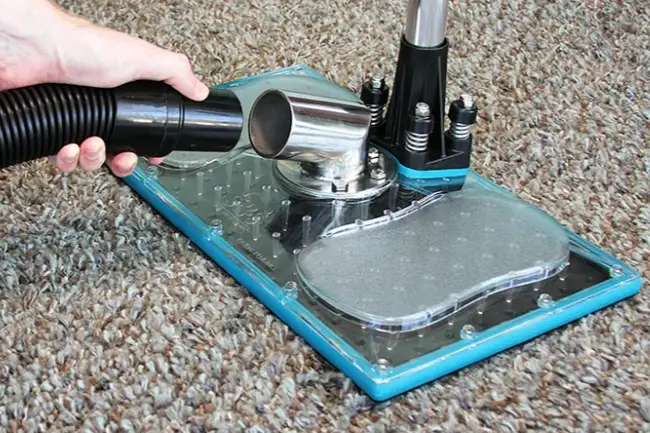
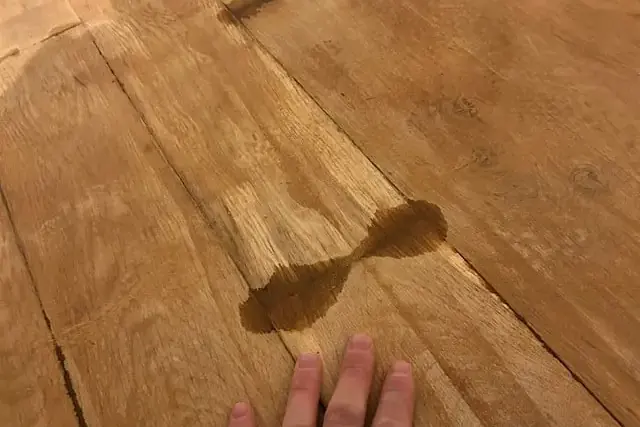
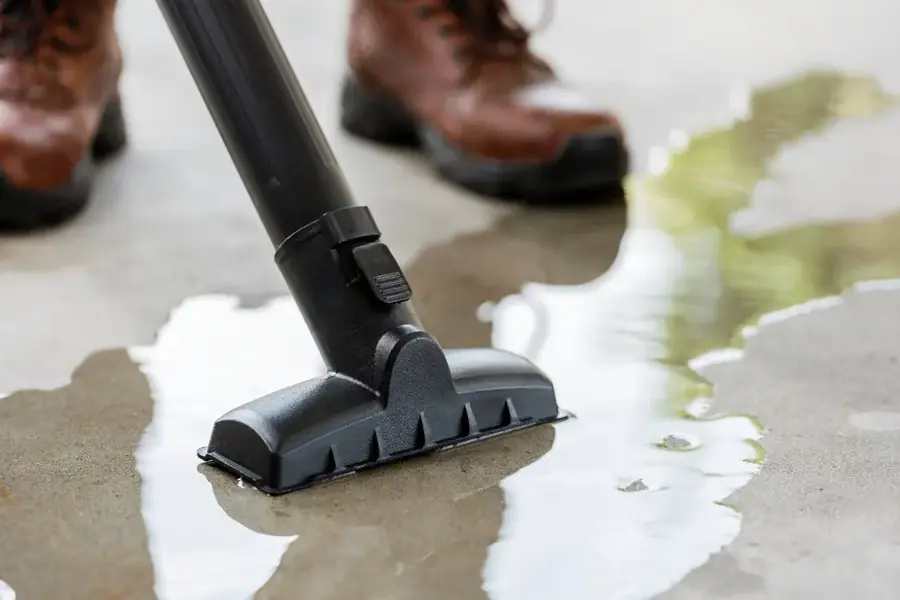 Water Extraction and RemovalStanding water on carpet, hardwood or laminate gets pulled out with truck-mounted and portable extractors before any drying equipment goes in.See the service
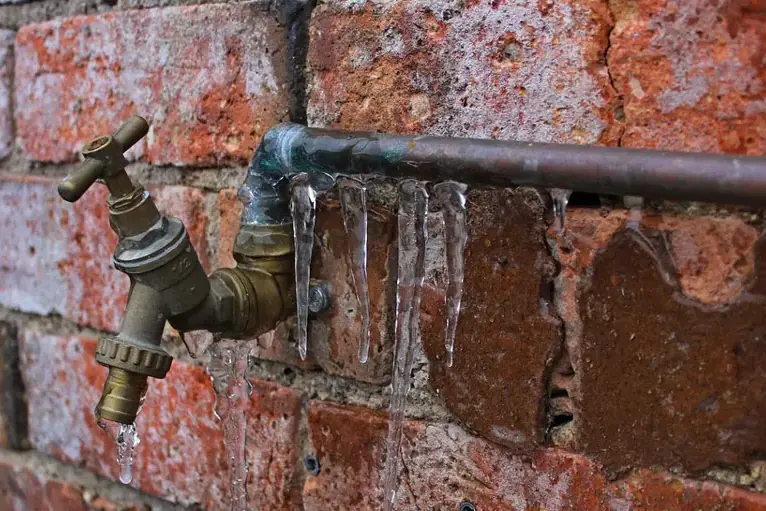
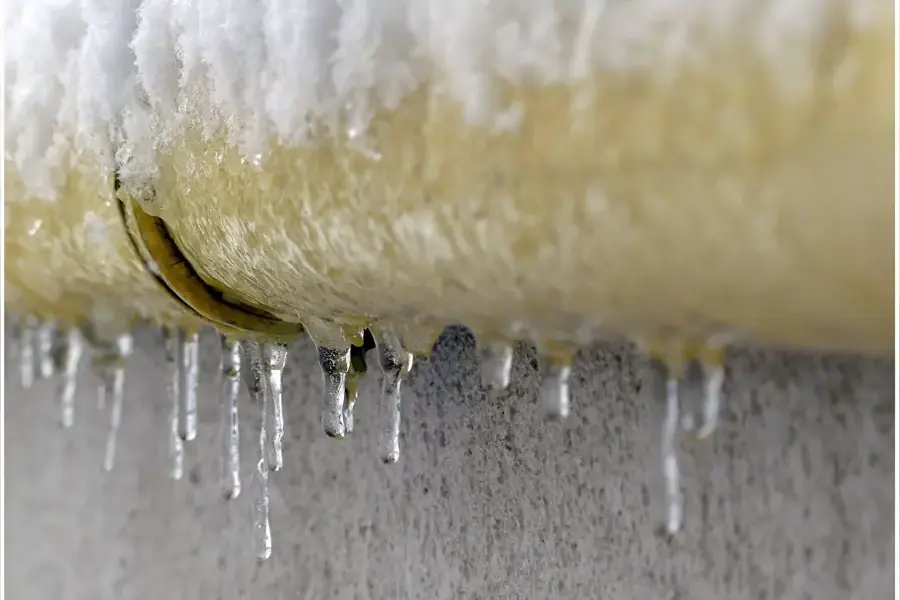 Frozen Pipe Water DamagePipes split by deep cold flood attics, garages and outside walls. The team extracts the water and dries the opened cavity.See the service
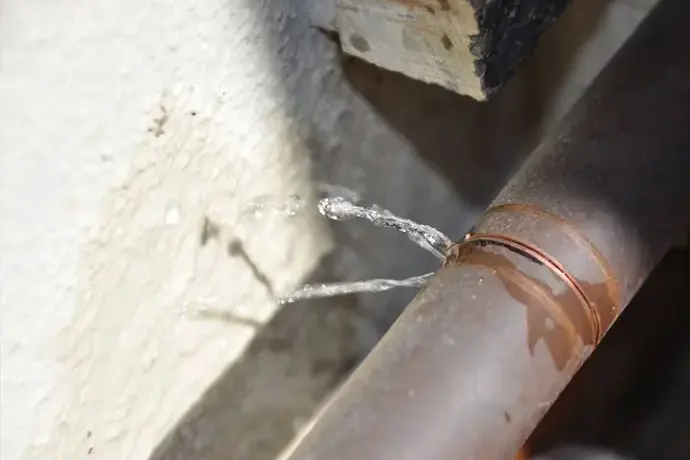 Burst Pipe Water DamageMany Mount Pleasant homes date from before 1980, so a burst pipe often sits inside an older wall or ceiling that has to be opened and dried.See the service
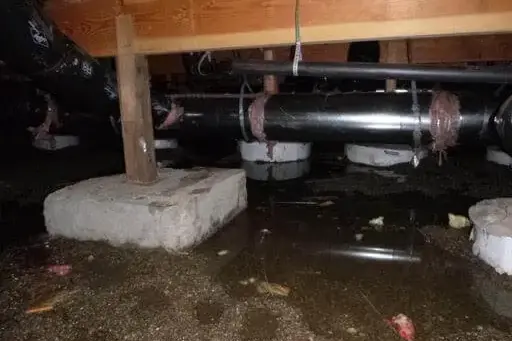
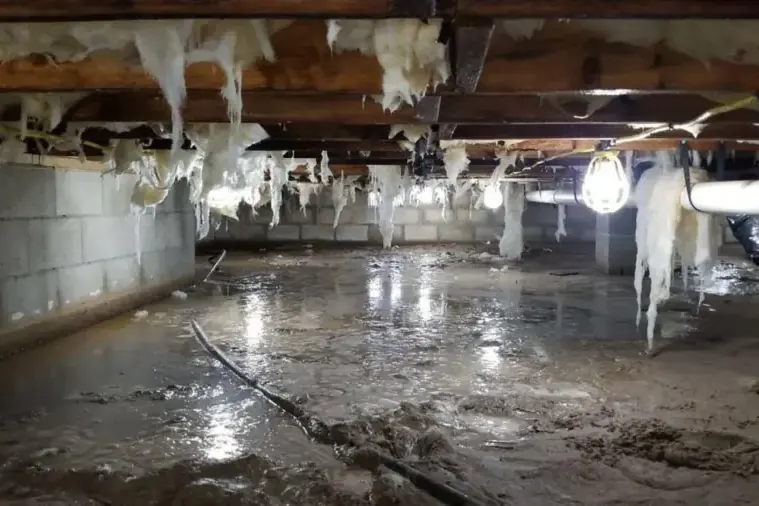 Crawl Space Water RemovalWater under a raised floor is pumped out, wet insulation and vapor barrier are removed, and joists and subfloor are dried with dehumidifiers.See the service
 Storm and Flash Flood CleanupFlash flood water, mud and silt inside a home are treated as contaminated, then removed, cleaned and dried.See the service
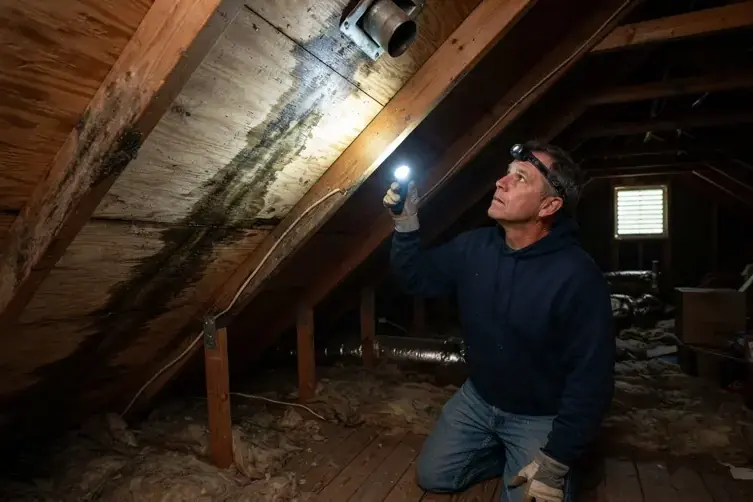 Roof Leak Water DamageHail, wind and worn shingles open the roof to rain. Wet attic insulation is removed, and the decking and rooms below are dried.See the service
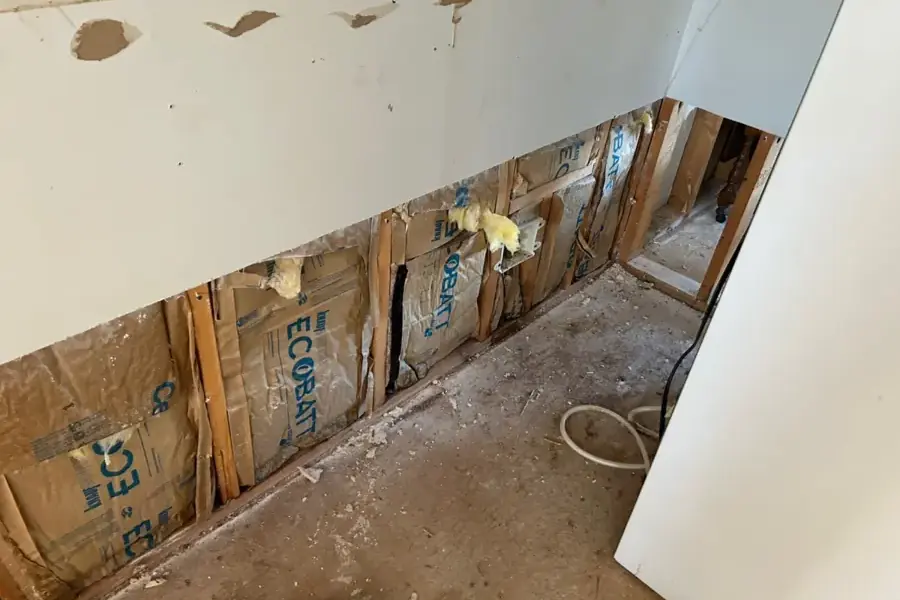
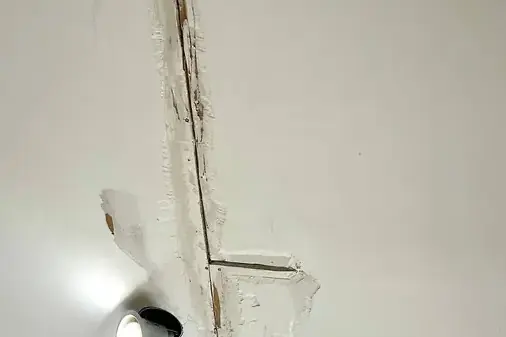
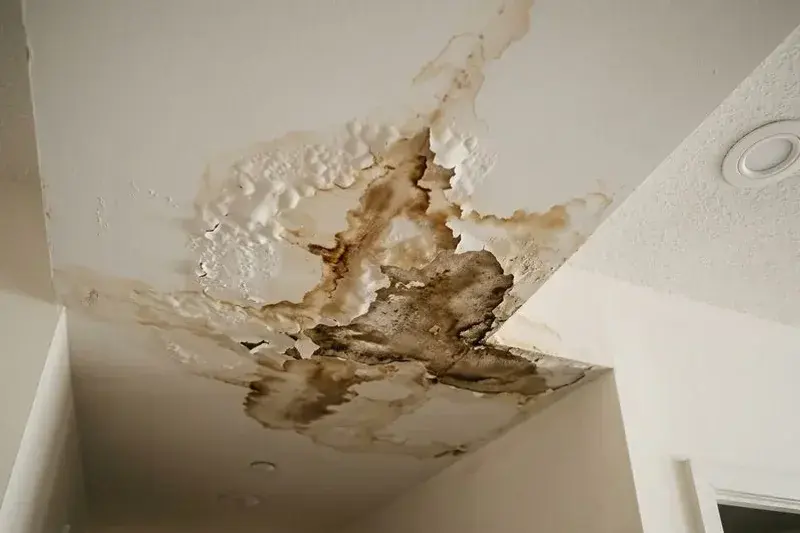 Ceiling Leak Water DamageA stain or sag in a ceiling means water is trapped above it. The wet drywall and insulation are opened and the joist bay is dried.See the service
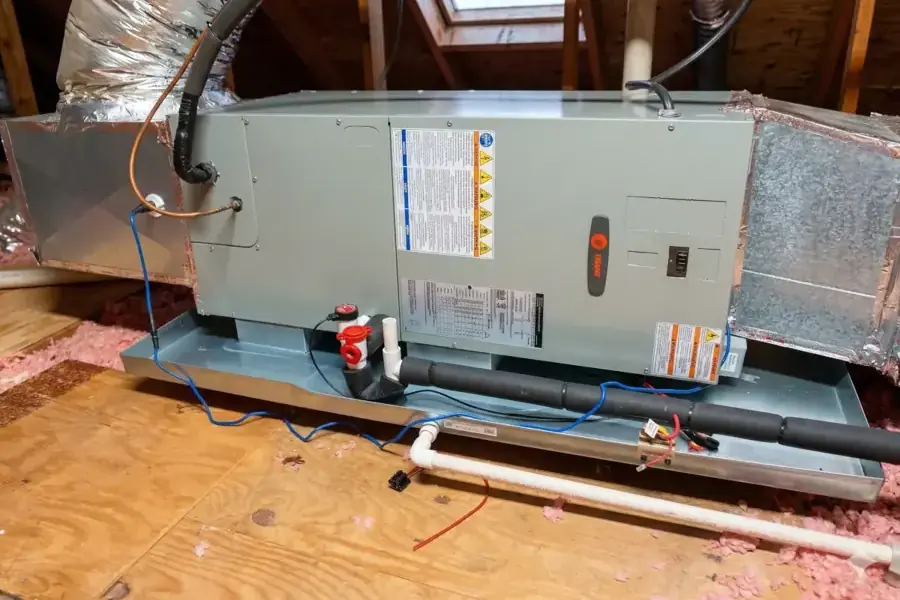 AC Condensate Leak Water DamageA clogged condensate drain or a full pan lets an air conditioner leak into the attic, ceiling or closet floor long before anyone notices.See the service
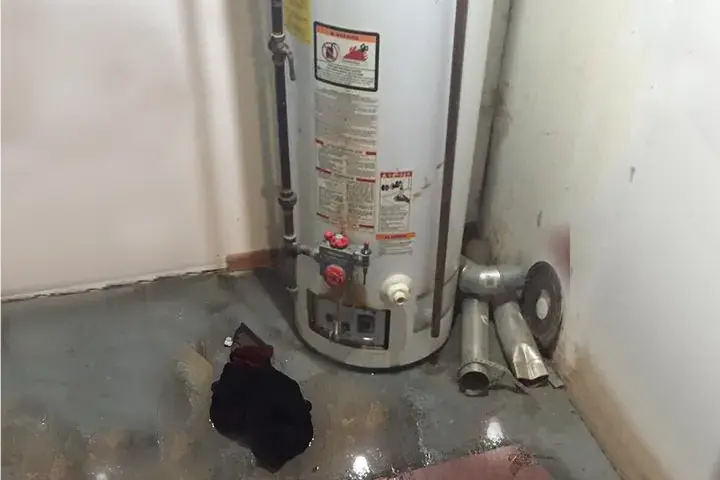 Water Heater Leak CleanupA failing tank floods a garage, closet or attic. The water is extracted and the wall bases and flooring around the heater are dried.See the service
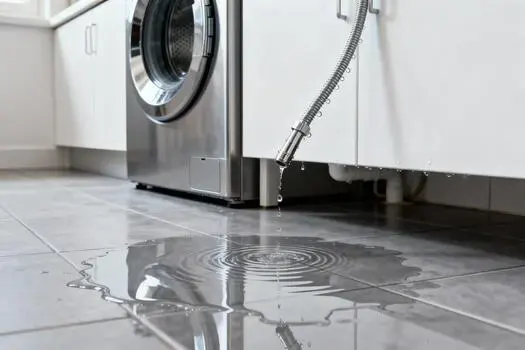 Appliance and Supply Hose LeaksA failed washer hose, dishwasher supply or ice maker tube soaks floors and cabinets in rentals and owned homes alike. The water is extracted and dried.See the service
 Sewage Backup CleanupSewage from a toilet, tub or floor drain is Category 3 water. The affected area is contained, cleaned, disinfected and dried with air filtration running.See the service
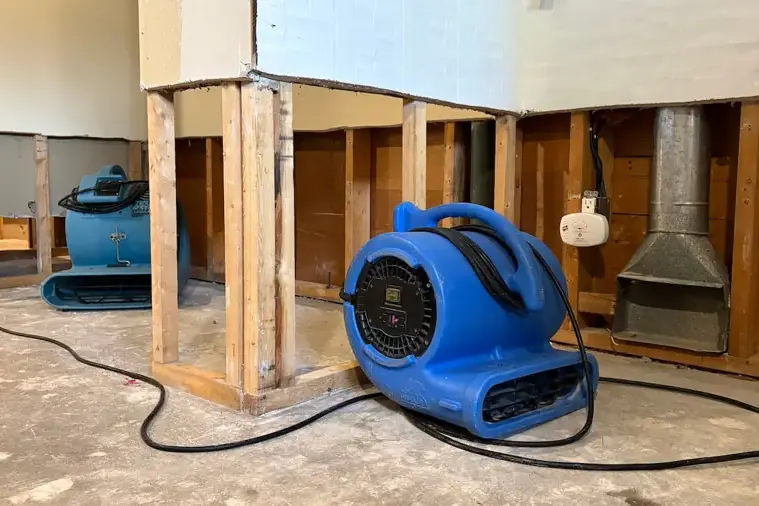 Structural Drying and DehumidificationAir movers, LGR dehumidifiers and moisture readings take a frame house from wet to dry, covering wall cavities, subfloors and framing.See the service
Local knowledge that shapes every drying plan
Creek flooding, storms and deep cold each leave different damage, so the restoration team plans every job around the water that is actually in the home.
Local conditions
Creek overflow, hail, wind and ice storms have all hit Maury County, and the team brings the extractors, air movers and dehumidifiers that match each kind of loss.
Measured drying
Moisture meters and thermal images show where water is hiding, and daily readings decide when equipment comes out, not how dry a wall looks.
Claim-ready records
Photos, moisture maps and equipment logs are kept together so an adjuster can follow the loss from the first reading to the final dry standard.
Water and sewage only
The crew handles clean, gray and black water losses and nothing outside that scope, so every procedure and piece of equipment fits the actual problem.
Four steps that limit the damage at home
- 1
Stop the water
Shut the main valve or the valve at the leaking fixture, and switch off power to any wet area at the breaker panel if it is safe to reach.
- 2
Keep people out
Keep children, pets and anyone with health concerns out of rooms with floodwater or sewage, and do not run household vacuums on standing water.
- 3
Photograph everything
Take wide and close photos of the water, the wet materials and damaged belongings before anything is moved, because the insurer will want to see the loss.
- 4
Lift and block
Raise small furniture, rugs and electronics onto dry surfaces and place foil under heavy legs so wet carpet does not stain them.
Equipment goes in only after the readings
The drying team takes moisture readings of walls, floors and framing before placing equipment, then checks the same spots every day against a dry reference taken from unaffected material in the home. Equipment is removed only when the readings match that reference and the daily log shows steady results.
Inspect
The tech maps wet areas with a moisture meter and thermal camera, identifies the water category and flags anything that is unsafe before work begins.
Extract and remove
Extractors lift standing water, then wet pad, soaked insulation and other materials that cannot dry are cut out and bagged for disposal.
Dry in place
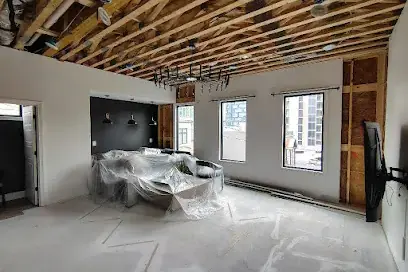
Air movers push dry air across surfaces while dehumidifiers pull moisture out of the room, with equipment placed by the readings, not by habit.
Confirm and log
Final readings are compared with the dry reference, equipment is removed and the photos, logs and moisture maps are packaged for the insurer.
How the category of water changes the cleanup plan
Clean water
Water from a supply pipe, sink overflow or water heater is the easiest to handle, though it turns gray if it sits on wet materials.
Burst pipe cleanupGray water
Washer, dishwasher and sink overflow water carries soap and bacteria, so wet carpet pad and cabinet bases are usually removed rather than dried.
Appliance and hose leaksBlack water
Sewage and creek floodwater are grossly contaminated, so affected porous materials come out and every hard surface is cleaned and treated before drying starts.
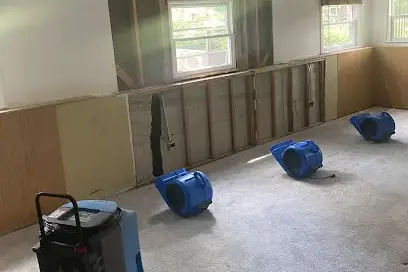
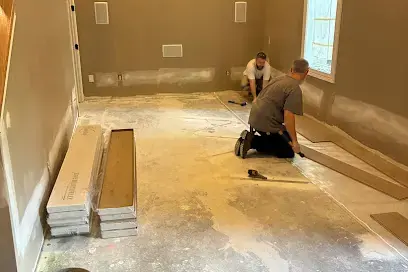
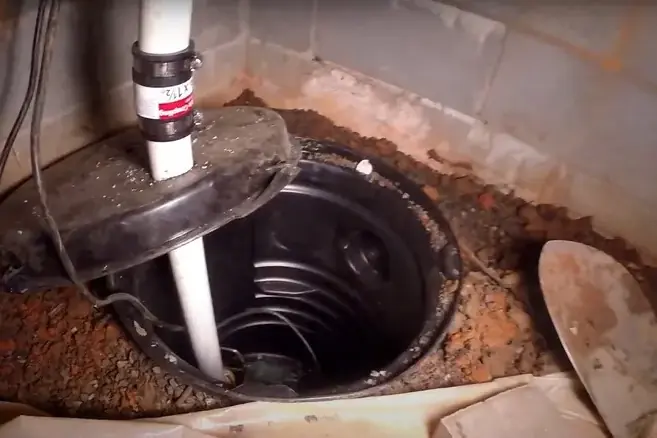
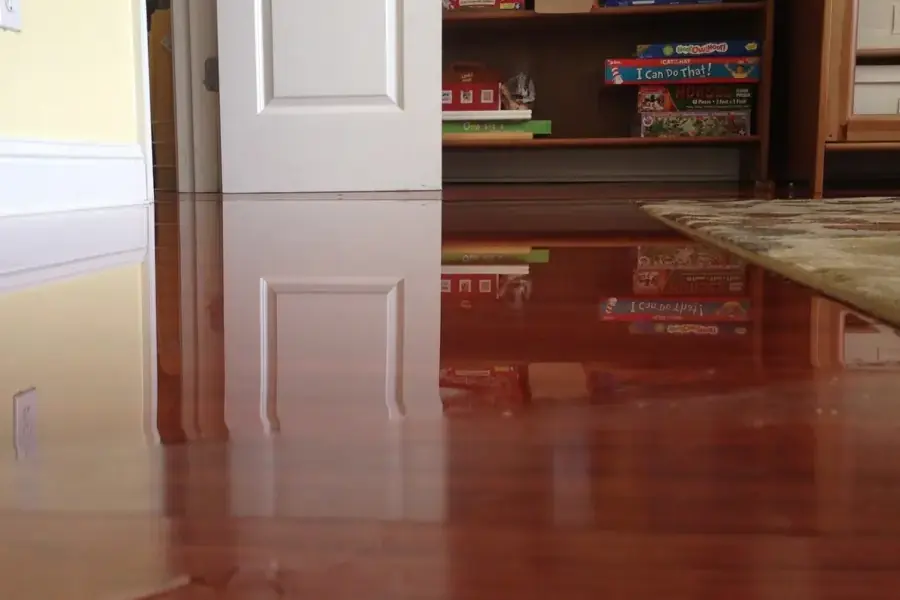
Sewage backup cleanupWhat water damage cleanup looks like in a wet home

What water damage cleanup costs in Mount Pleasant
Small clean-water jobs run $500 to $1,200, mid-size losses $1,200 to $5,500 and major or contaminated losses $5,500 to $15,000+, depending on water type and rooms affected.
Small clean-water leak
- One room, found soon after the leak
- Extraction and in-place drying
- Readings and photos for the file
Several rooms with wet walls
- Wet drywall and insulation removed
- Air movers and LGR dehumidifiers
- Daily readings until the walls are dry
Contaminated or major loss
- Category 3 water or deep flooding
- Containment, tear-out and cleaning
- Extended drying and a full claim file
These ranges are typical, and each job is priced after the walkthrough. The water damage cost calculator gives a closer number for a specific room count and water type.
Getting the claim paperwork right
Most homeowner policies cover sudden water damage from a burst pipe or appliance failure, while rising floodwater usually needs a separate flood policy. The paperwork starts the moment the loss does.
What an adjuster will ask to see
- Photos and video of the water and damaged materials before cleanup
- The date and time the water was found and where it started
- Moisture readings and a map of every wet surface
- A list of damaged belongings with ages and prices
- Daily drying logs and the final dry readings for each room
What to do before the adjuster visits
Call the insurer early, describe the source of the water and ask what the policy requires before materials are thrown out. Keep samples of removed flooring or drywall if the adjuster asks to see them.
An estimated 891 homes in Mount Pleasant are renter occupied, and renters should report a leak to the landlord in writing and photograph their belongings, because the building policy and a renter's policy cover different things.
Neighborhoods and streets served in Mount Pleasant
ZIP code
Local water damage help across Mount Pleasant
Homes near the Public Square and Main Street, in the Pleasant Historic District and along U.S. Highway 43 are all within the service area.
Call with the address and a short description of what is wet, and the response team will explain what the first visit involves and how the drying plan will be set.
Mount Pleasant, TN [email protected]
(888) 849-5796Call about a wet propertyNeighborhoods and districts
What actually floods and leaks in Mount Pleasant
Maury County has a documented history of creek flooding, hail, wind and ice storms, and FEMA has listed the county in several federal disaster declarations. Each type of event sends water into a house in a different way.
September 13, 2020: Flash flooding closed Mount Pleasant roads, flooded Sugar Creek and Magnolia Road, and prompted water rescues at homes on West Sheepneck Road and Lawrenceburg Highway.
Heavy rain records
Mount Pleasant's greatest one-day rainfall on record, 7.10 inches, fell on January 22, 1999, and a single storm like that can send water into low parts of a home.
Hail and wind
Hail 2.00 inches across fell at Mount Pleasant on March 31, 2012, and a microburst near 85 mph damaged a roof along Ashwood Road on January 30, 2013.
Flood claims on record
FEMA flood insurance claims in ZIP code 38474 number 29 and span 1984 through 2020, with 13 from May 1 to 3, 2010 and 7 from September 13, 2020.
Older housing
About 1,212 of Mount Pleasant's 2,491 housing units were built before 1980, so many leaks start inside older walls and ceilings and show up late.
Sewage backups
The City of Mount Pleasant provides sewer service and runs its own wastewater plant, and a backup into a home is Category 3 water however it starts.
Winter storms
Mount Pleasant fell to 17 degrees below zero on January 21, 1985, and a January 2026 ice storm cut power to more than 12,000 customers across Maury County.
Mount Pleasant water damage questions
Have a question about a wet home?
A Mount Pleasant water damage pro can explain what the readings mean, which materials can dry in place and what the insurer will want to see.
(888) 849-5796 Call and ask a questionWhat should a Mount Pleasant homeowner do first after a leak?
Stop the water at its source, turn off power to wet areas if it is safe, photograph the damage and call a water damage pro. Extraction and drying should start before wet materials can stain and swell.
How is creek or road floodwater different from a leak?
Floodwater carries silt, bacteria and runoff, so it is handled as Category 3 water. Porous materials it reached are usually removed, then hard surfaces get cleaned and treated before drying equipment is set up.
How long does it take for a wet house to dry?
Most losses need several days of drying, and heavy materials such as hardwood, plaster or concrete can take longer. The drying team logs readings each day and removes equipment only when the structure reaches its dry target. The drying time estimator gives a rough range by room count.
Are older Mount Pleasant homes harder to dry?
Dense older materials hold moisture longer, so drying is slower and checked more often. The Pleasant Historic District lists weatherboard and brick walls with stone and concrete foundations, and those materials are dried gently, with readings steering the schedule.
Will flood insurance or a homeowner policy pay?
A homeowner policy usually covers sudden pipe and appliance leaks, while rising creek water generally needs a separate flood policy. Ask the agent which one applies, and keep every photo, receipt and drying log.
Who handles water damage in a rental or apartment?
Renters should report a leak to the landlord in writing and photograph belongings. About 360 housing units in Mount Pleasant are in buildings of two or more units, where water can pass between ceilings and floors.
Is sewage backup cleanup different from a clean leak?
Yes. Sewage is Category 3 water, so sewage backup cleanup contains the area, removes porous materials, disinfects hard surfaces and runs air filtration during the work. Nobody should walk through it or run fans before it is assessed.
What makes one job cost more than another?
Water category, the number of rooms and materials affected, whether drywall and flooring must be removed and how long the water sat all change the total. A quick walkthrough with readings settles the scope.
How quickly does damage set in after a leak?
Wet drywall and pad begin to swell and stain within a day, and mold can start in 24 to 48 hours when materials stay wet, which is why extraction and drying take priority.
Should power or gas be shut off after a leak?
Switch off power to wet rooms at the panel if it is safe to reach. Mount Pleasant Power System supplies electric service and the City of Mount Pleasant provides natural gas, so a gas smell means leaving the home and calling the gas utility.
Wet floors and damp walls do not dry on their own
Every day water sits in drywall, pad or framing adds to the repair bill. A local water damage pro can walk through the extraction and drying plan for any leak, flood or backup.
(888) 849-5796Describe the damage by phone