Water Damage Restoration Columbia, TN
Water reaches Columbia homes through river flooding, storms, failed pipes and leaking appliances. The Columbia water damage pros extract it, dry the structure to a measured target, and document the loss for the insurance claim.
(888) 849-5796Call the Columbia water damage pros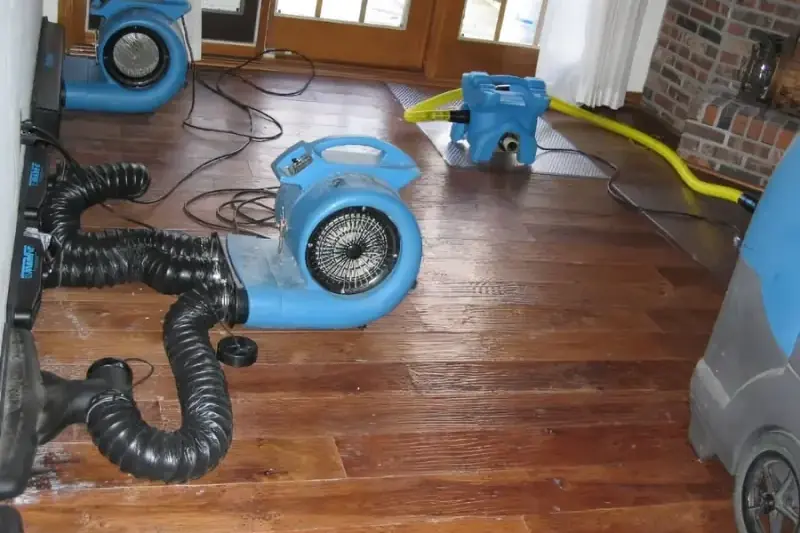
Water damage services across Columbia and Maury County
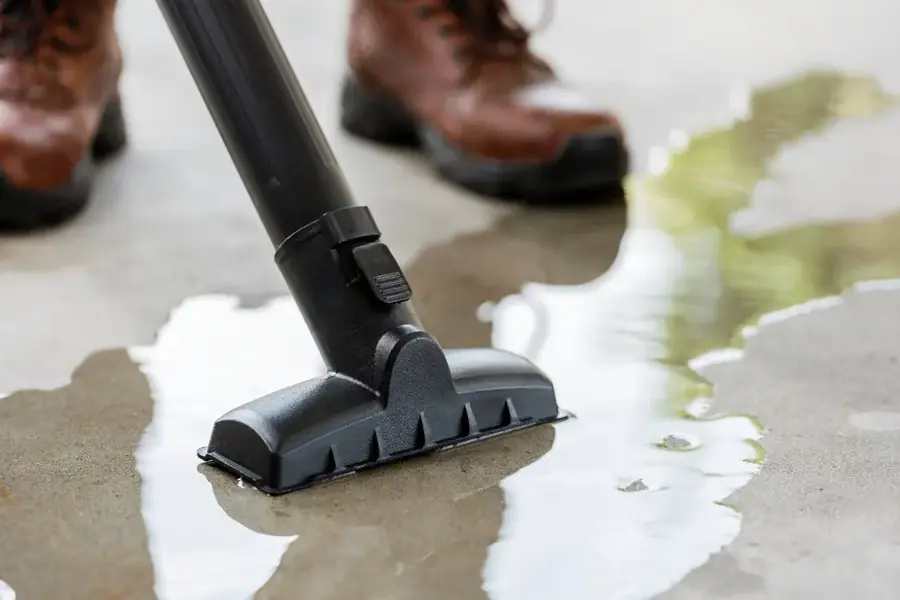 Water Extraction and RemovalPumps and truck-mounted extractors clear standing water from carpet, pad and hard floors after a river rise or a failed supply pipe.See the service
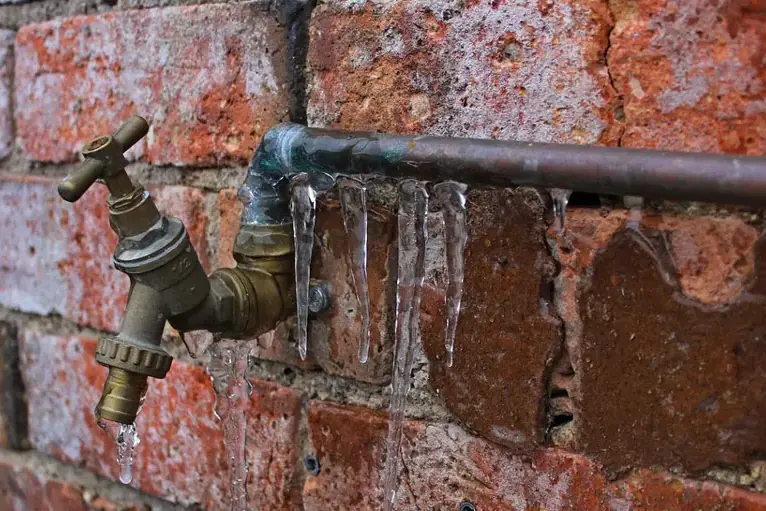
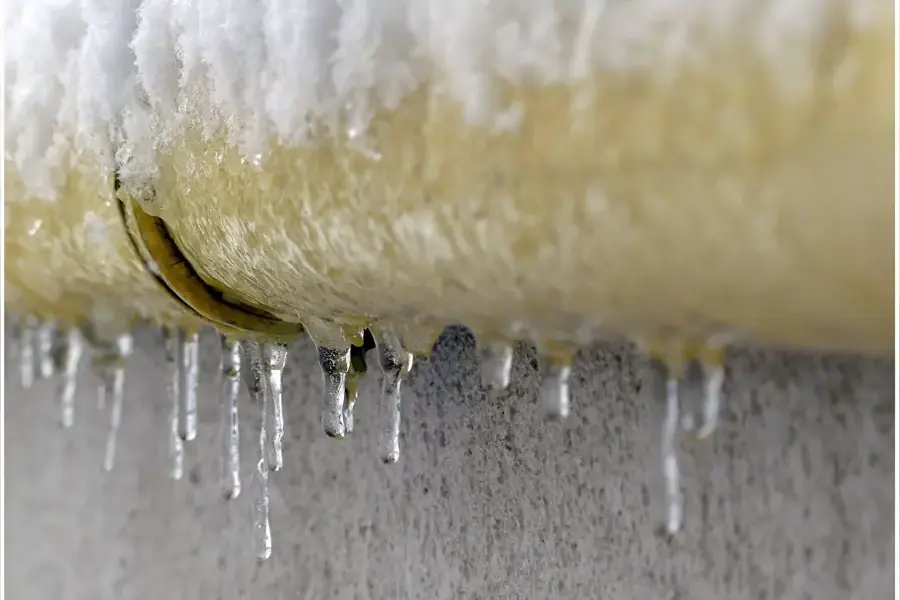 Frozen Pipe Water DamageA hard freeze becomes a flood when the pipe thaws. The team traces the split, removes wet material and dries the wall cavity.See the service
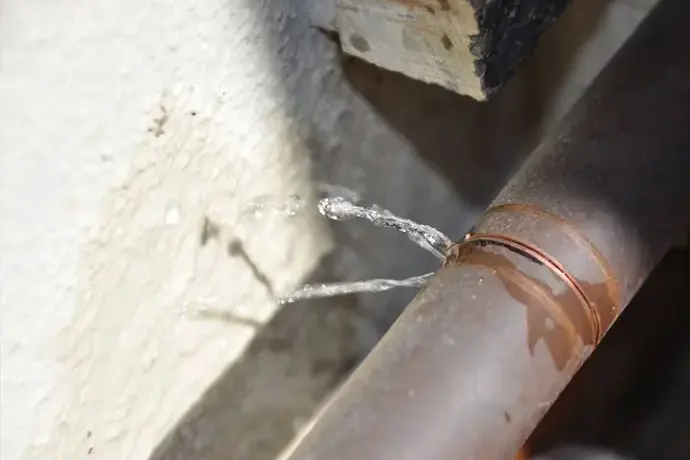 Burst Pipe Water DamageA burst supply pipe can soak a wall, a ceiling and the floor below. Extraction and cavity drying follow the water wherever it traveled.See the service
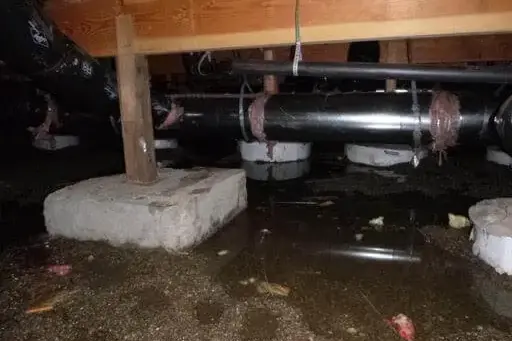
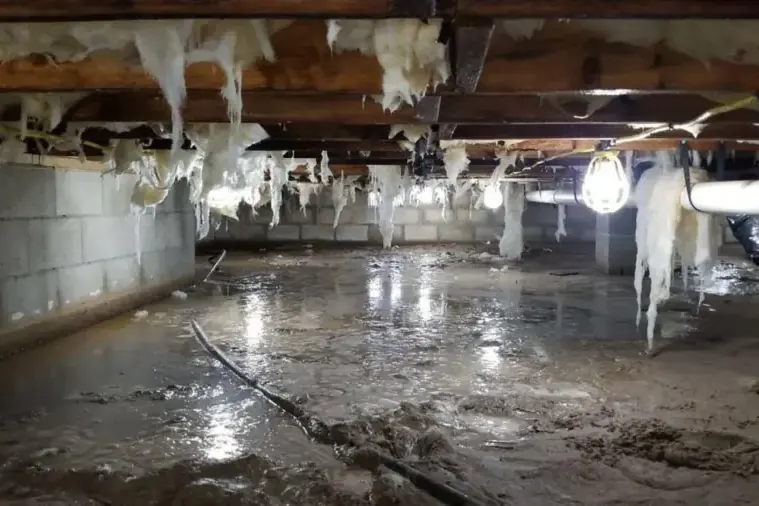 Crawl Space Water RemovalRunoff, groundwater or a leaking pipe can leave water under the floor. Pump-out, wet insulation removal and dehumidifier drying protect the joists.See the service
 Storm and Flash Flood CleanupDuck River rises and heavy storms bring mud and Category 3 water indoors. Cleanup covers pump-out, flood cuts, disinfecting and a full dry-out.See the service
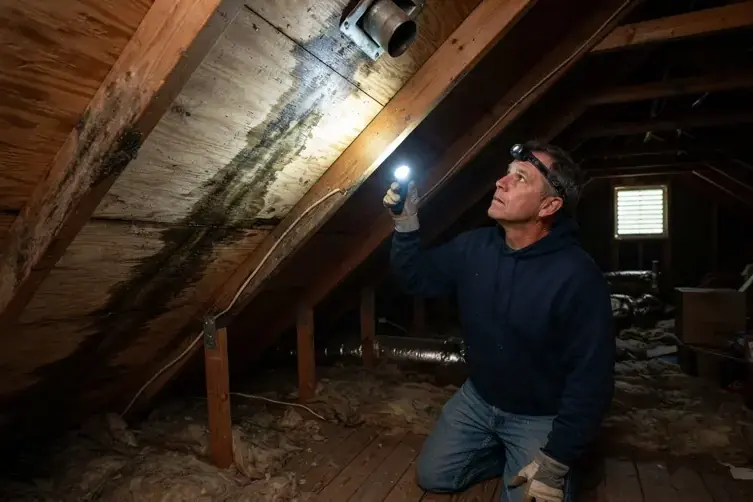 Roof Leak Water DamageWind and hail can open a roof to the weather. The team dries the attic, ceilings and walls below while a roofer repairs the opening.See the service
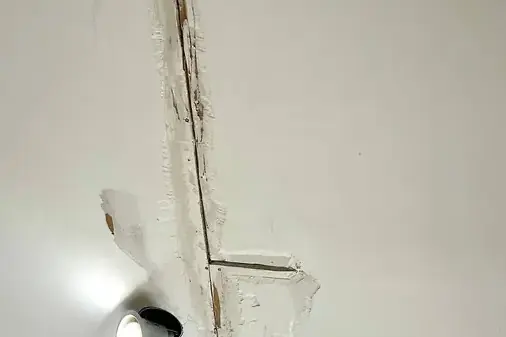
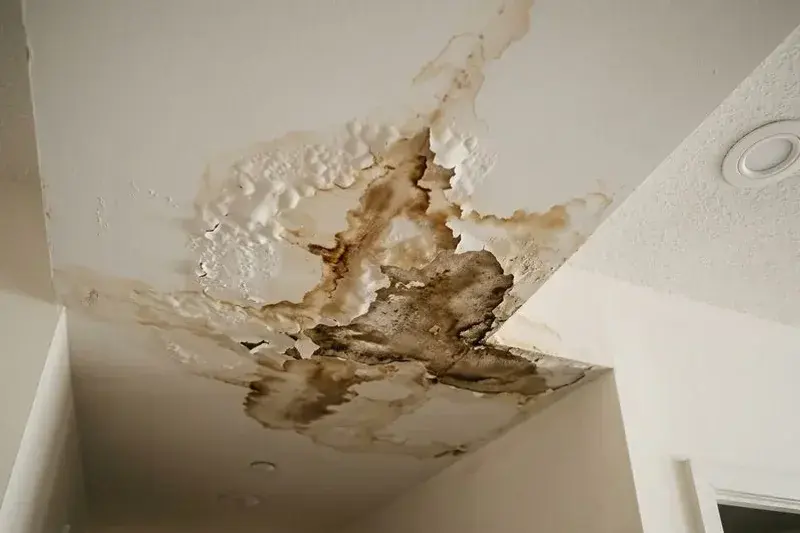 Ceiling Leak Water DamageA stained or sagging ceiling points to water above it. The ceiling is opened and dried before the leak can bring the drywall down.See the service
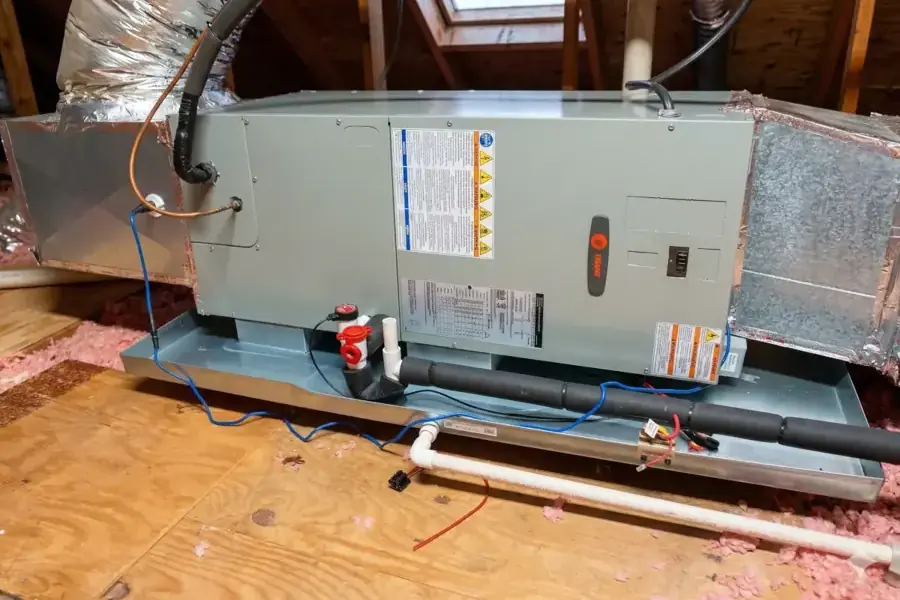 AC Condensate Leak Water DamageSummer cooling makes condensate, and a clogged drain sends it into an attic or closet. Wet insulation and framing are dried or removed.See the service
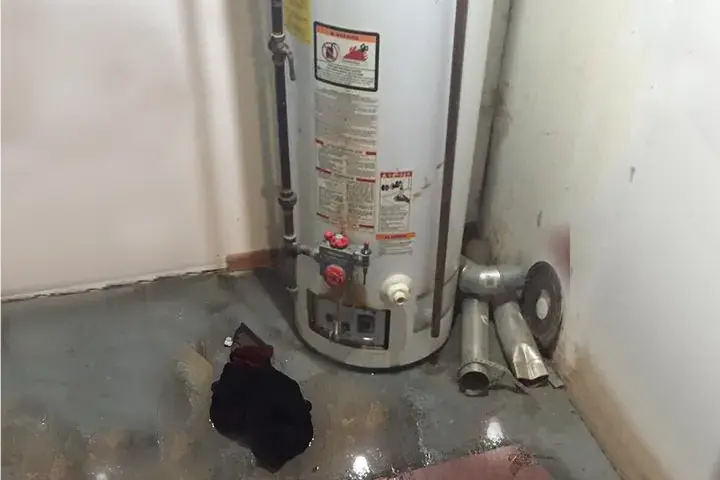 Water Heater Leak CleanupA leaking tank can flood a garage, a closet or an upper floor. The crew extracts the water and dries the wall base.See the service
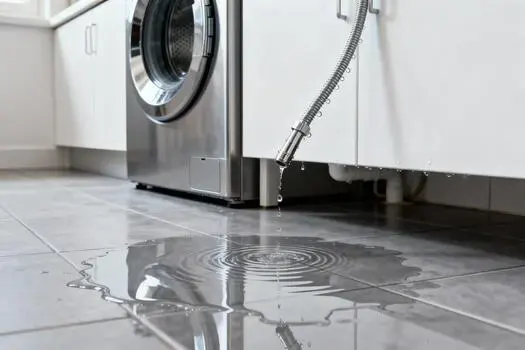 Appliance and Supply Hose LeaksWasher, dishwasher and supply hose leaks hide under cabinets and floors. Moisture mapping shows how far the water went before drying starts.See the service
 Sewage Backup CleanupSewage is Category 3 water, so cleanup means protective gear, removal of soaked porous material and disinfecting before any drying.See the service
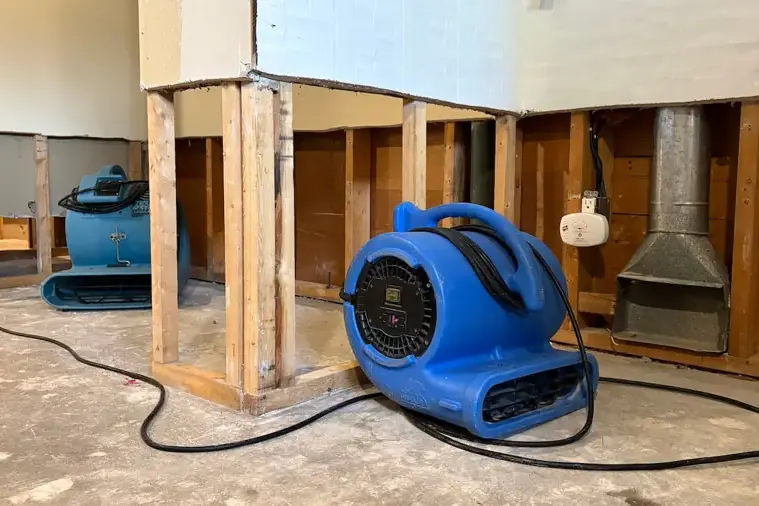 Structural Drying and DehumidificationAir movers, LGR dehumidifiers and daily readings bring wet framing, subfloor and hardwood back to a dry reference target.See the service
A plan built around the home, not a template
Columbia has river flood stages, ice storms and nearly half its housing built before 1980, so each loss starts with finding the real source and the real moisture path.
Rapid local response
Water spreads while a loss waits, so the first conversation covers shutoff steps, safety and what to photograph before a walkthrough is set up.
Moisture meters, not guesses
Meters, thermal images and daily psychrometric readings show where water remains, so equipment leaves only when the numbers say the structure is dry.
Claim-ready documentation
Photos, moisture logs and equipment records are kept for every visit, giving an adjuster the sequence of the loss in plain order.
Straight answers on scope
The estimate separates what must be removed from what can be dried, and the tech explains the reason for each choice.
First four moves after water shows up
- 1
Stop the water
Close the shutoff valve at the fixture or the main valve at the house. For river or storm water, wait until the area is safe.
- 2
Make the power safe
Turn off breakers for wet rooms if the panel is dry and safe to reach. Never wade through standing water near outlets, cords or appliances.
- 3
Photograph everything wet
Take wide and close photos of the water, the damaged materials and belongings before anything is moved. Dated images support the claim.
- 4
Lift and protect
Put blocks under furniture legs, lift small items off wet floors and pull up loose rugs. Leave soaked carpet and drywall for the team to remove.
Drying ends when the readings say so
Surfaces can feel dry while framing and subfloor stay wet. The team records readings from an unaffected room in the same home as the dry reference, sets equipment from those numbers, and keeps logging until the wet materials match it. Those logs become the proof of a finished job.
Inspect
The tech maps moisture with meters and a thermal camera, finds the source and sorts the water by category before any equipment is placed.
Remove the water
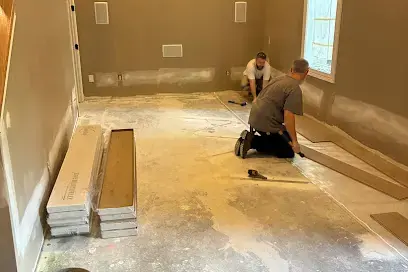
Pumps and extraction units clear standing water first, then wet pad, soaked insulation and ruined drywall are removed where they cannot dry in place.
Dry the structure
Air movers and dehumidifiers are placed from the readings and rechecked each visit, then moved or pulled as the numbers fall.
Confirm and record
Final readings are compared with the dry reference, equipment leaves, and photos, logs and the invoice go to the homeowner for the claim.
Clean, gray and black water get different treatment
Clean water
Supply pipe, tank and rain leaks start clean but turn gray if left wet. Quick extraction keeps carpet and pad salvageable in many Columbia homes.
Burst pipe water damageGray water
Washing machines, dishwashers and tubs release water with soap, food and dirt in it, so porous materials beside it usually come out instead of drying in place.
Appliance leak cleanupBlack water
Sewage, river floodwater and long-standing water carry pathogens. Protective gear, removal of soaked porous material and disinfecting come before drying starts.
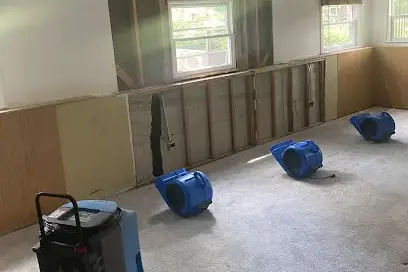
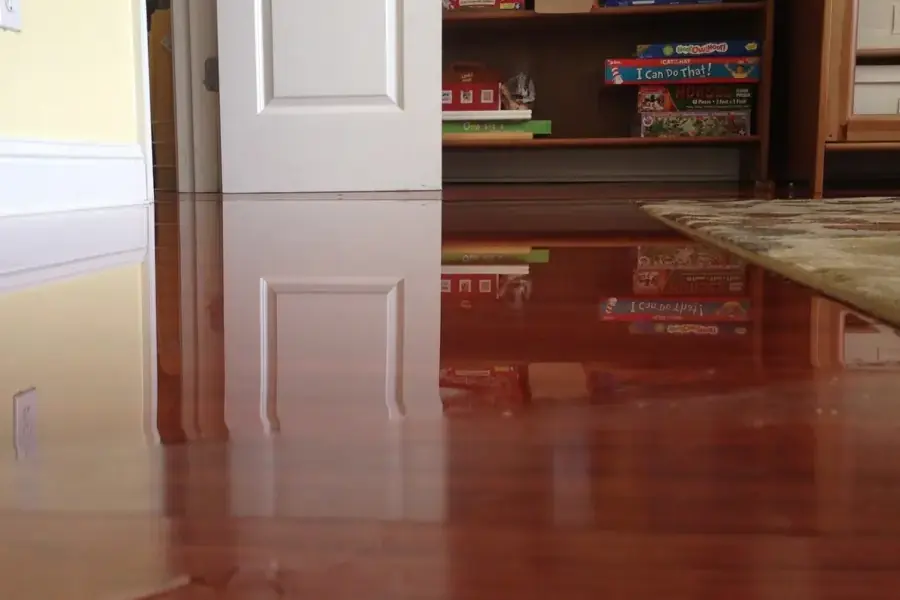
Sewage backup cleanupWhat water damage work looks like inside Columbia homes
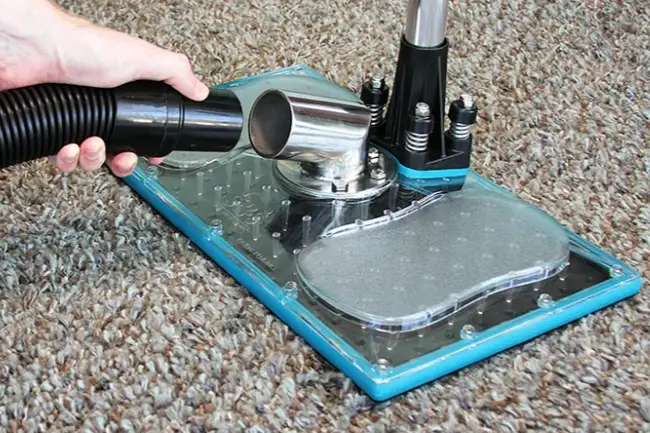
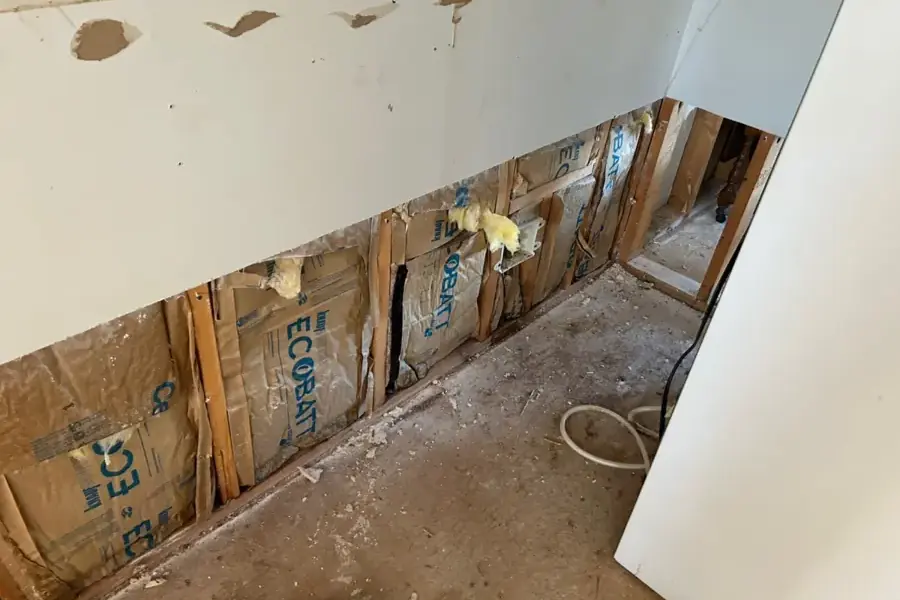
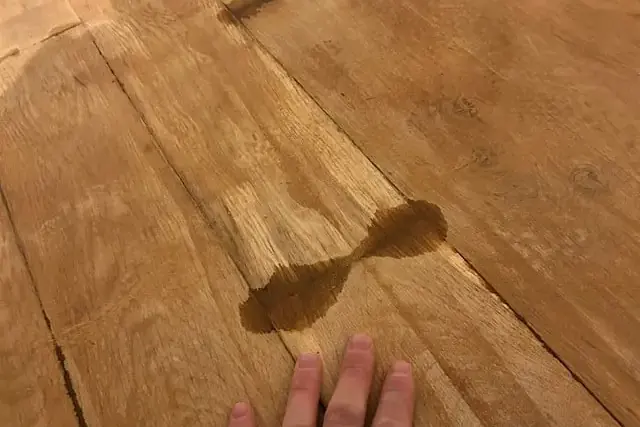
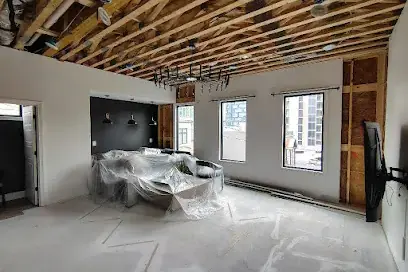

What water damage restoration costs in Columbia
Most Columbia jobs land between $500 and $15,000 or more, and the spread comes from how much material is wet, how long it sat, and whether the water was clean or contaminated.
Small clean-water leak
- One room with clean supply water
- Extraction and fan drying
- Moisture readings and photos
Several rooms or wet walls
- Water inside walls or under flooring
- Wet pad and baseboard removal
- Dehumidifiers and daily checks
Whole floor, sewage or flooding
- Category 3 water or deep flooding in several rooms
- Containment and tear-out
- Weeks of monitored drying with logs
Written scopes follow the walkthrough readings, because wet walls and subfloors change the numbers. The water damage cost calculator gives a rough range before anyone visits the home.
Insurance and the claim file
Most water damage claims turn on documentation: what failed, when it was found and what it affected. The restoration team builds that record while the work is under way.
What the claim file holds
- Dated photos of the water, the source and each affected room
- Moisture readings from the first visit through the final check
- Equipment placement and the days each unit ran
- An itemized scope separating removal, cleaning and drying work
- A short written account of what failed and when it was found
Before the adjuster visits
A sudden pipe, hose or tank failure is the kind of loss homeowners policies often address, while rising river water usually falls under a separate flood policy. Columbia is a participating community in the federal National Flood Insurance Program, so that flood coverage can be added.
Keep damaged materials until the adjuster has seen them or approved disposal, and save receipts for any emergency purchases made while the loss was being stopped.
Where the Columbia team works in Maury County
ZIP code
Reaching the Columbia water damage team
The Columbia crew works the whole city, from Downtown Columbia and Riverside to newer subdivisions such as Morgan Meadows and Ridgeview Oaks.
Homeowners in 38401 start with a short call or email about the source, the rooms affected and any safety concerns, and the walkthrough is planned from there.
Columbia, TN [email protected]
(888) 849-5796Columbia water helpNeighborhoods and districts
Water risks that shape Columbia homes
The National Weather Service tracks the Duck River at a Columbia gauge with a 41 foot major flood stage, and creeks such as Bigby Creek and Rutherford Creek feed the river. Storms, ice and ordinary plumbing failures add their own losses.
February 23, 2019: Maury County emergency management reported Riverside Drive in Columbia flooded and closed, with about 15 roads closed across the county. The Duck River crested at 42.76 feet.
Duck River flooding
The gauge uses a 28 foot action stage and a 41 foot major flood stage. At 40 feet, NWS says flooding affects structures on Riverside Drive and approaches Second Avenue and East Seventh Street.
Tributary creeks
Bigby Creek, Rutherford Creek, Flat Creek, Fountain Creek and Bear Creek are among the Duck River tributaries named in NWS impact statements, so heavy rain upstream can lift the river.
Tornado and hail
An EF-3 tornado with estimated 140 mph winds touched down along the Duck River east of Columbia on May 8, 2024, and that storm system brought hail up to apple size.
Humid summers
Hot, humid summers keep air conditioners working hard, and a blocked condensate drain can drip into an attic or closet for weeks before a stain appears.
Sewer backups
The City of Columbia says grease poured down a drain builds up in pipes and sewers and can cause clogs, backups and overflows.
Winter storms
A winter storm on January 24 to 26, 2026 brought historic snow, sleet and ice to Middle Tennessee, and Maury County officials told residents to stay home.
Columbia water damage questions answered
Water in the house right now?
Describe the source, the rooms affected and whether the water is still running, and the team will explain the first safe steps and what comes next.
(888) 849-5796 Talk to the Columbia team nowHow soon does water damage need attention in Columbia?
Wet drywall, pad and wood can start to break down within 24 to 48 hours, and mold can follow, so extraction and drying should begin as soon as the source is stopped.
Can the Duck River flood homes in Columbia?
NWS impact statements for the Columbia gauge say flooding affects structures on Riverside Drive at 40 feet, and the river crested at 44.91 feet in May 2010. Low-lying areas near the river see water first.
What does the team do first at a Columbia home?
The tech checks for safety hazards, finds the source, maps moisture with meters and removes standing water, as in water extraction in Columbia, before placing air movers. Photos and readings are logged at each step.
Does homeowners insurance pay for water damage in Columbia?
Sudden pipe, hose and tank failures are often covered, while river flooding usually needs a separate flood policy. Policies differ, so the claim file should show the cause, the dates and the drying records.
How does flood insurance work for Columbia homeowners?
Columbia is a participating community in the federal National Flood Insurance Program, and the City's Floodplain Management page lists FEMA flood map panels. The policy wording decides what is covered, so confirm details with the insurer.
What happens when sewage backs up into a house?
The area is treated as Category 3 water, as described in sewage backup cleanup: protective gear, removal of soaked porous materials, disinfecting, then drying. Sewer service questions go to the City of Columbia Wastewater Department.
How long does structural drying take?
Many losses dry over three to five days, though hardwood, plaster and concrete take longer. Daily readings decide when equipment comes out, and structural drying ends with a check against the dry reference.
Can wet carpet and pad be saved after a leak?
Clean-water carpet can often be extracted and dried in place, while the pad is commonly replaced. Gray or black water means carpet and pad are both removed and discarded.
Who is involved when a leak crosses apartment walls?
Columbia has 6,612 renter occupied homes and 2,608 units in buildings of 5 or more units, so leaks often cross a wall. Photos and readings help tenant, landlord and insurers trace the source.
Which parts of Columbia does the team cover?
The team works throughout Columbia and ZIP code 38401, from Downtown Columbia, Riverside and Taylor Bend to the newer subdivisions, and across wider Maury County as well.
Water in a Columbia home does not wait
Wet drywall, subfloor and insulation stay damp until they are dried on purpose. The Columbia water damage pros start with the source, then extract, dry and document the loss.
(888) 849-5796Call about your Columbia property