Water Damage Restoration Fairview, TN
Standing water, a burst pipe, or a storm that reached a Fairview home gets the same plan: stop the source, pull the water out, then dry the framing, subfloor and drywall until the readings say it is done.
(888) 849-5796Call a Fairview drying crew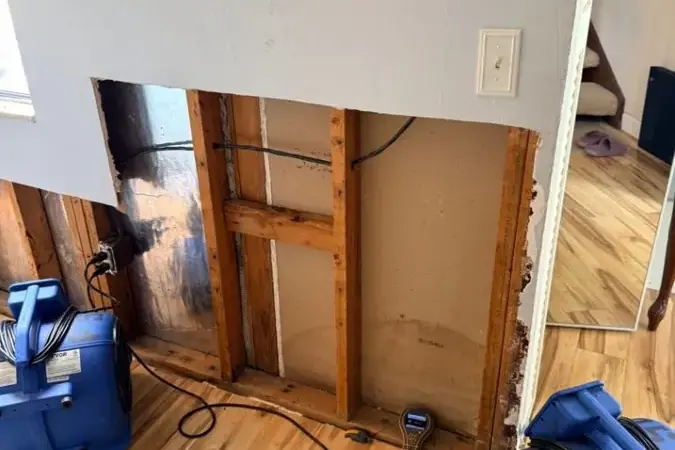
Twelve water damage services for Fairview homes
 Water Extraction and RemovalTruck-mounted and portable pumps pull standing water off carpet, pad and hard floors before any drying equipment goes in.See the service
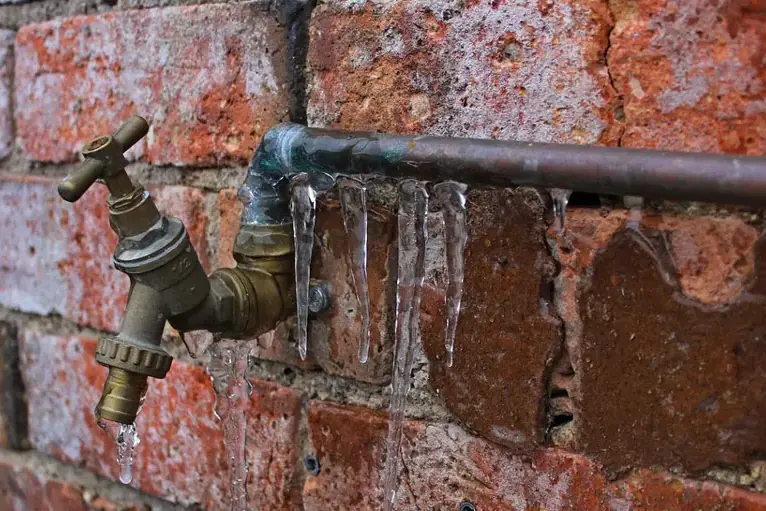
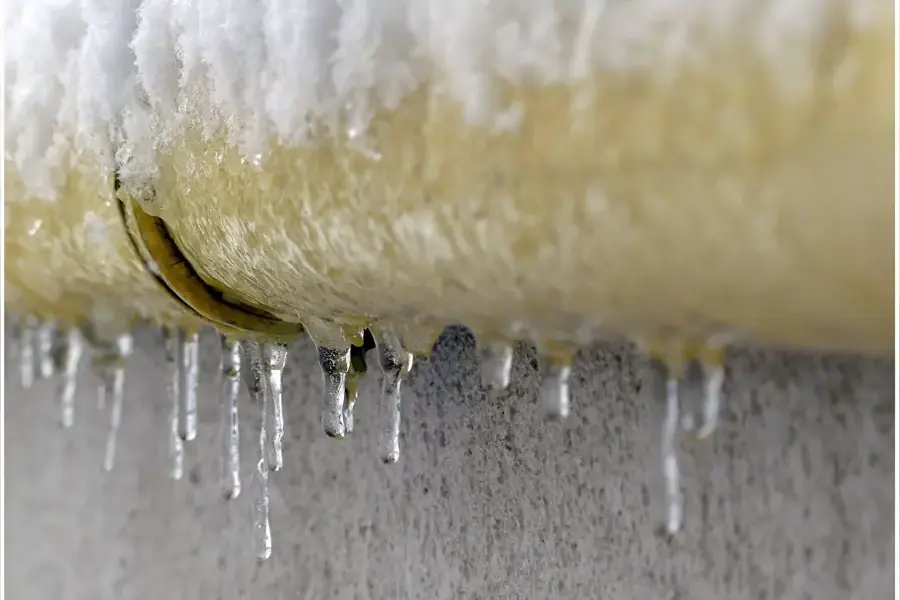 Frozen Pipe Water DamageA split pipe in a garage, attic or outside wall can run unseen for a long time. Thaw damage is extracted, opened up and dried.See the service
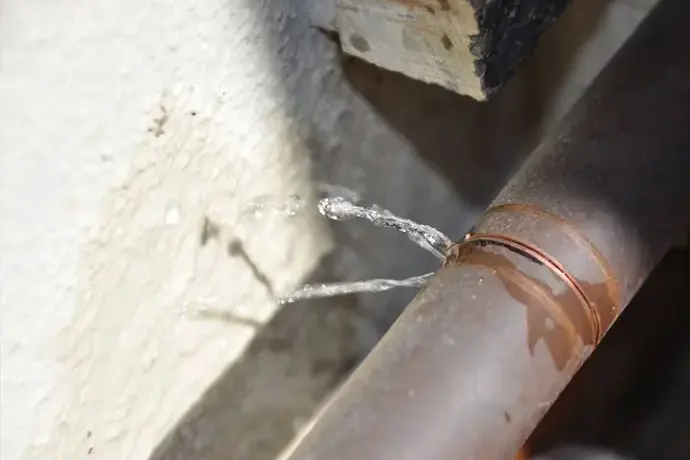 Burst Pipe Water DamageA burst pipe means shutting off the water, extracting what spread, and opening the wet wall or ceiling so the cavity can dry.See the service
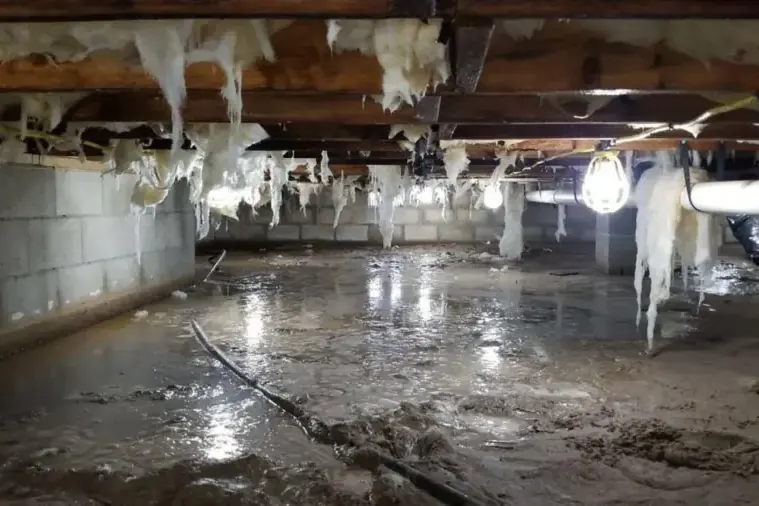 Crawl Space Water RemovalWater under a raised floor gets pumped out, wet insulation and vapor barrier come out, and the joists and subfloor are dried.See the service
 Storm and Flash Flood CleanupCreek overflow and storm runoff inside a home count as contaminated water, so mud and wet materials come out before cleaning and drying.See the service
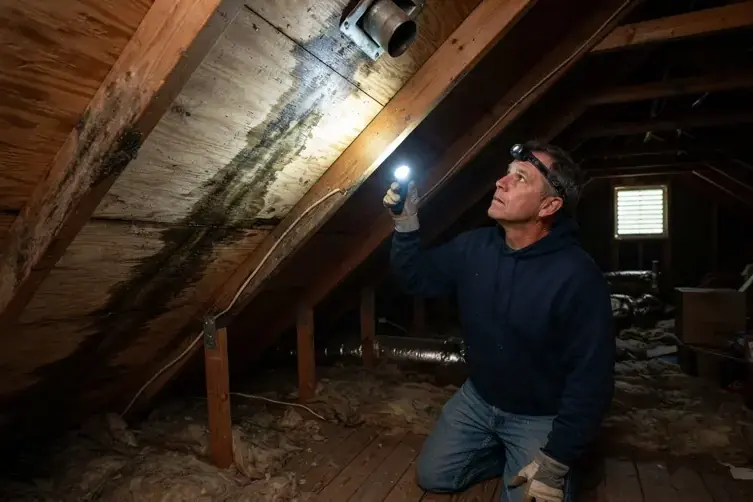 Roof Leak Water DamageWind, fallen limbs and failed flashing let rain into attics. Wet insulation comes out, decking is checked and the ceilings below are dried.See the service
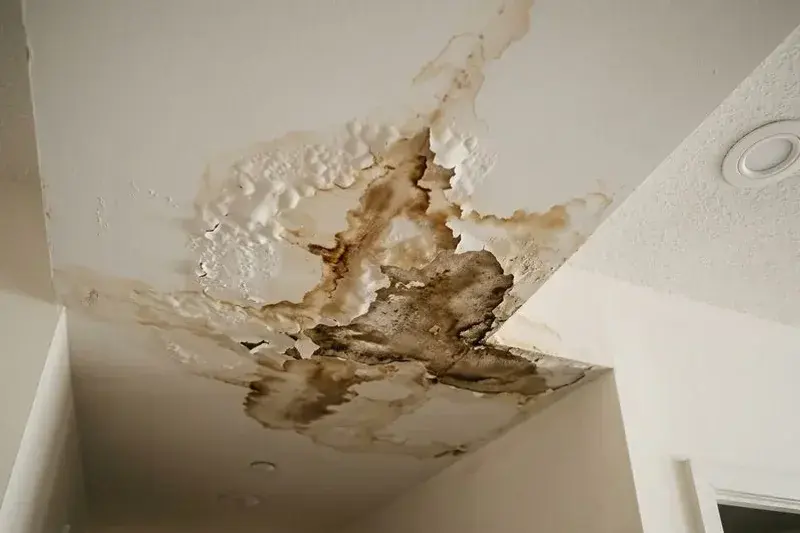 Ceiling Leak Water DamageA stained or sagging ceiling means water is trapped above it. An inspection opening shows how far it spread before wet drywall comes down.See the service
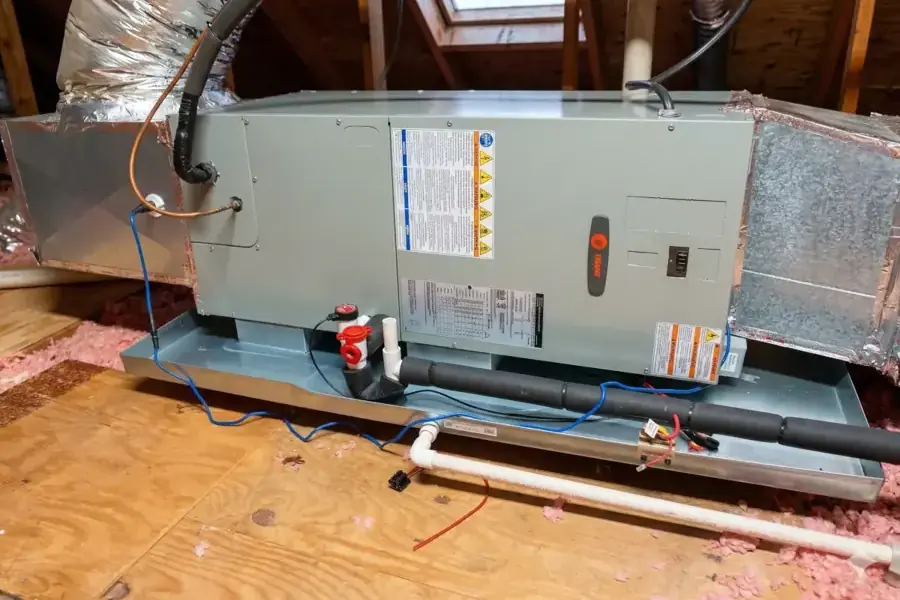 AC Condensate Leak Water DamageA clogged condensate drain or a failed pan can overflow into an attic or closet. The leak is stopped, extracted and dried.See the service
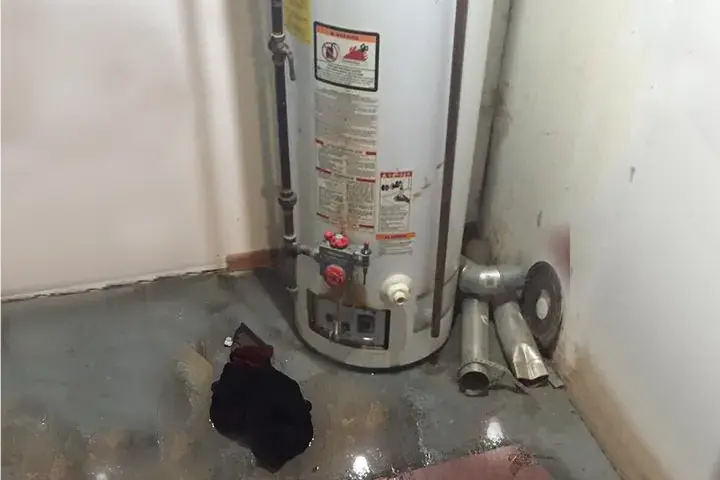 Water Heater Leak CleanupA leaking tank needs the power or gas shut off first, then extraction and drying of the closet, garage or room around it.See the service
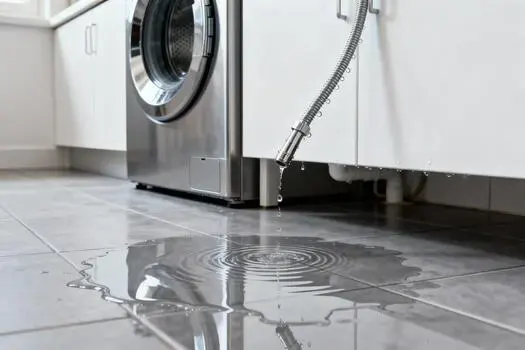 Appliance and Supply Hose LeaksA failed washer hose, dishwasher connection or ice maker tube soaks floors and cabinet bases. The water is extracted and the area dried.See the service
 Sewage Backup CleanupSewage from a toilet, tub or floor drain is Category 3 water. Porous materials are removed, surfaces disinfected and the area dried.See the service
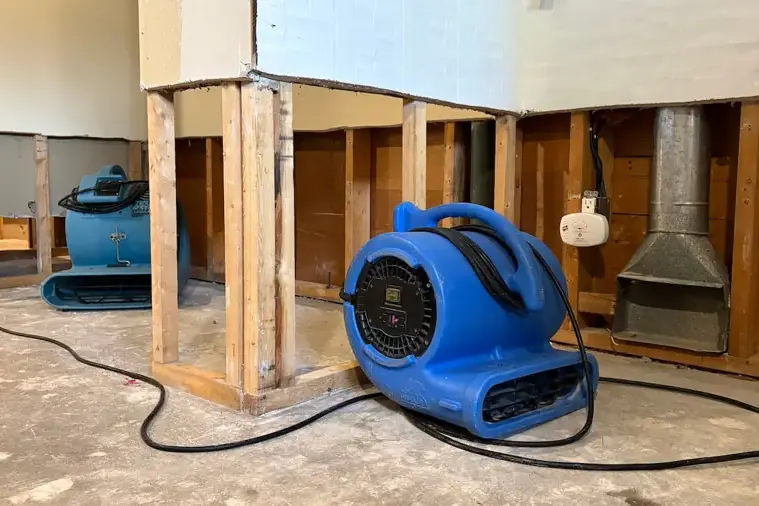 Structural Drying and DehumidificationDehumidifiers and air movers pull moisture out of studs, subfloors and framing, and daily readings show when the structure is actually dry.See the service
A restoration team that explains the plan before the equipment starts
Fairview has homes from the 1970s through the 2020s, so each loss starts with the same question: where is the water now, and where did it travel?
Moisture mapped first
A meter and a thermal camera show where the water traveled before any wall or floor is opened, so only damaged material comes out and sound material stays.
Insurance-ready records
Photos, moisture logs and a written scope of work are kept as the job moves, which gives an adjuster the facts instead of guesses.
Clear water classes
Clean, gray and black water are handled differently, so the crew names the category up front and explains why it changes the tear-out.
A written plan
Each step is described before it happens, including what gets removed, what stays, and how long the drying equipment is expected to run.
Four moves that limit the damage right away
- 1
Stop the water
Close the main shutoff valve or the valve at the fixture, and switch off power to wet areas if the breaker panel is dry and reachable.
- 2
Check what it touched
Look for water on ceilings, walls and under cabinets. A bulging ceiling or sagging drywall may be holding water that can drop without warning.
- 3
Photograph everything
Take wide and close photos and video of the damage and affected belongings before anything is moved or thrown away, for the claim file.
- 4
Lift and protect
Move small items, rugs and electronics to dry ground, and slide furniture legs onto foil or blocks. Leave wet carpet and drywall for the crew.
Dry to a measured target, not a guess
The industry's S500 standard ties drying to measurements: moisture content in wood and drywall, plus temperature and humidity in the air. During structural drying the crew records a dry reference reading from an unaffected part of the home and keeps equipment running until wet materials match it.
Inspect
The tech finds the source, maps wet areas with a meter and thermal camera, and classifies the water as clean, gray or black.
Remove the water
Pumps and extraction tools pull standing water, then wet pad, soaked insulation and swollen drywall are cut out and bagged.
Dry the structure
Air movers and dehumidifiers run in a closed, controlled space while readings are taken each day to track the drying of studs and subfloors.
Confirm and record
Final readings are compared with the dry reference, equipment is removed, and the log and photos are packaged for the claim.
Three kinds of water, three kinds of handling
Clean water
Water from a supply pipe, tank or hose starts out clean. Left wet, it takes on bacteria and slides toward gray, so it needs attention quickly.
Burst pipe cleanupGray water
Washer, dishwasher and sink overflow water carries soap, food and some contamination. It is extracted, and the affected materials are checked before any drying begins.
Hose and appliance leaksBlack water
Sewage, creek flood water and storm runoff are Category 3. Porous materials are removed, and the area is cleaned and disinfected before drying.
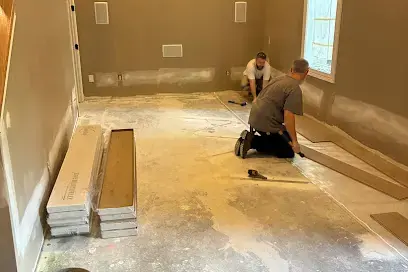
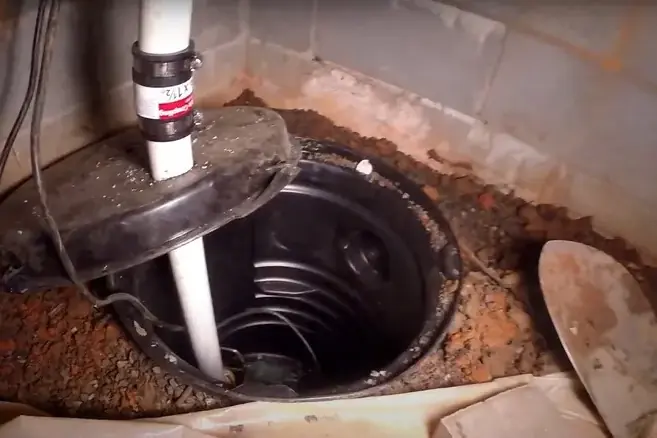
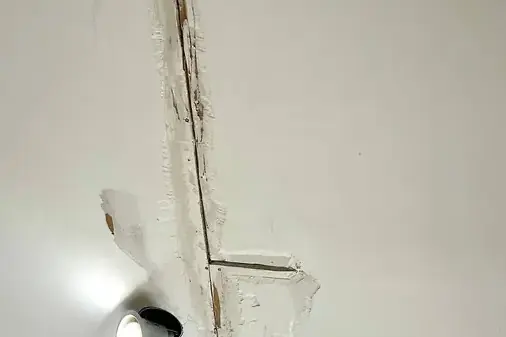
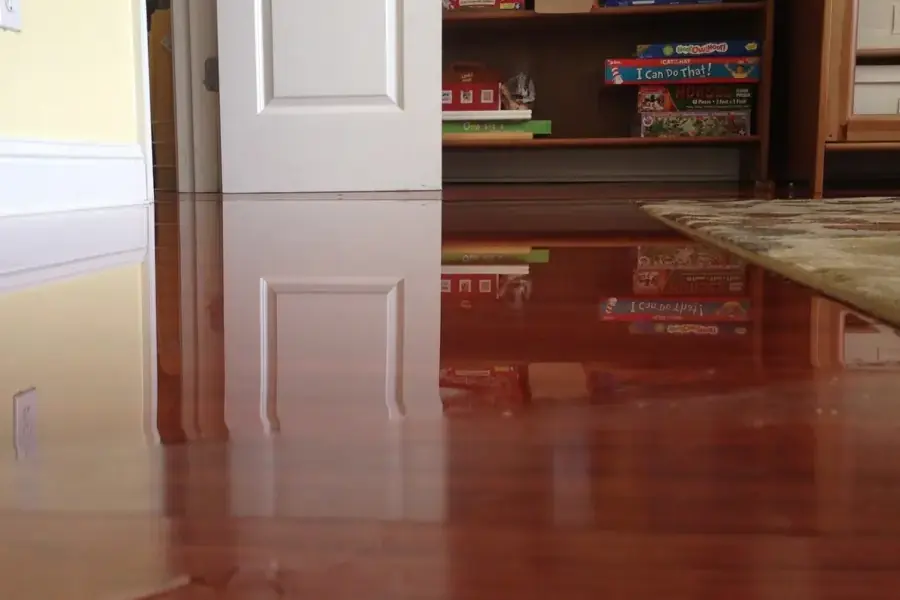
Sewage backup cleanupWhat water damage and drying look like inside a home
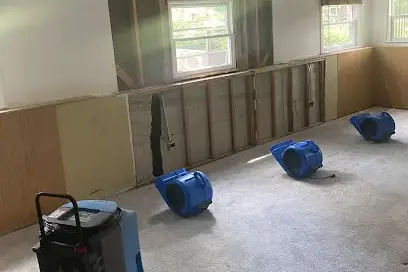
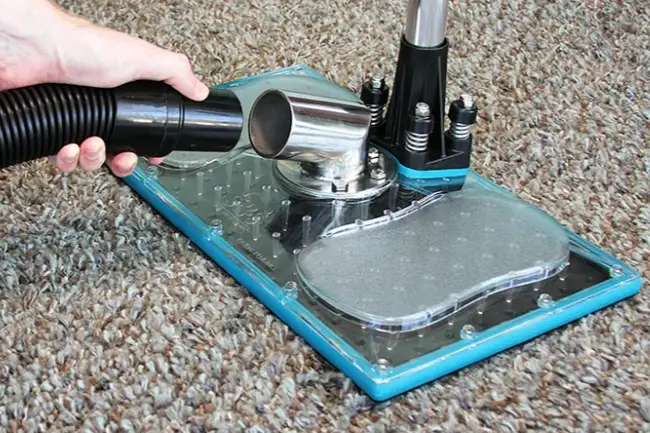
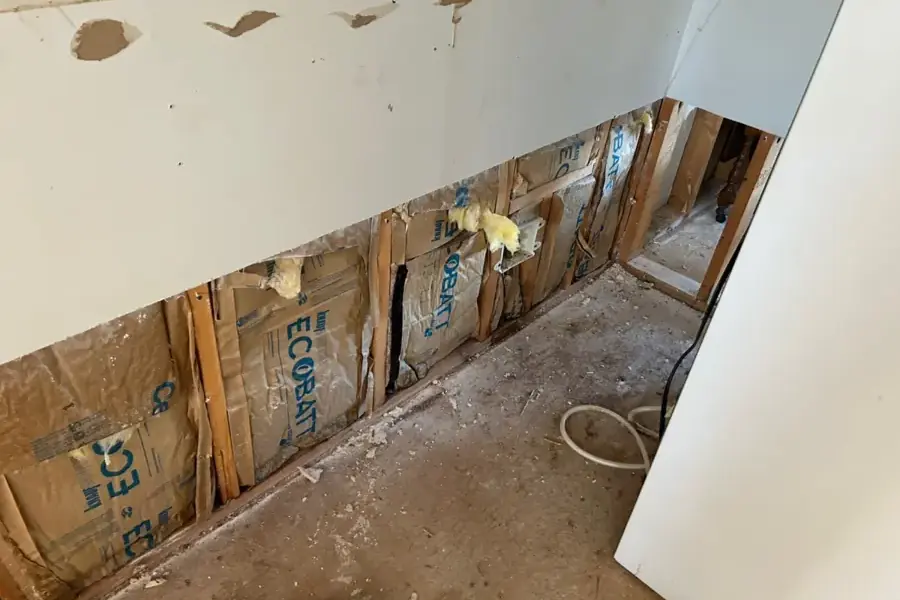
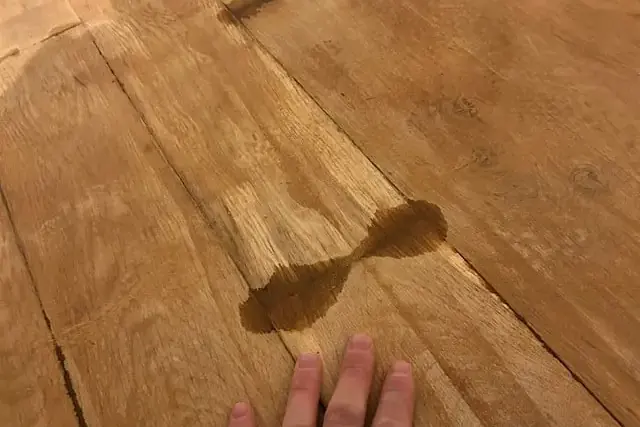
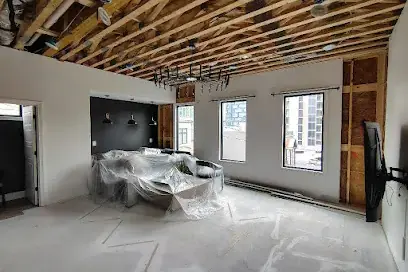
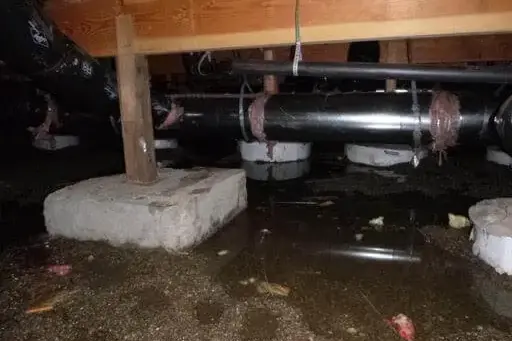

What water damage restoration costs in Fairview
Most Fairview jobs run from about $500 for a small clean-water leak to $15,000 or more for contaminated or multi-room losses, and how long the water sat matters most.
Small clean-water leak
- One room with clean water caught early
- Extraction and air movers
- Moisture readings and photos
Water inside a wall or ceiling
- Wet drywall and insulation removed
- Cavity opened and dried
- Readings every day
Contaminated or multi-room
- Gray or black water in several rooms
- Containment and tear-out
- Long dry-out and claim file
Every job starts with a walkthrough and a written scope, so the number depends on what is actually wet. The cost calculator gives a rough range before anyone visits.
Water damage and your insurance claim
Homeowner policies often cover sudden water damage like a burst pipe, but slow leaks and rising flood water are commonly excluded. The restoration team documents every loss so the claim file is complete.
What the claim file should hold
- Dated photos and video of every wet area before cleanup
- Moisture readings logged every day the equipment runs
- A room by room list of removed materials and damaged belongings
- The cause of the loss and when it was found
- Receipts for any emergency repairs made before drying began
Filing the claim yourself
Call the insurer early, describe what happened, and ask what the policy requires before any tear-out. Policies usually expect reasonable steps to stop further damage, so keep receipts and do not discard wet materials until they are photographed.
Rising creek or runoff water is usually handled by a separate flood policy, and the 2024 county hazard plan lists Fairview in FEMA's National Flood Insurance Program with 11 policies in force.
Where the crews work across Fairview
ZIP code
Water damage help for homes across Fairview
Crews work across Fairview, including Heartland Reserve, Kyles Creek, Cumberland Estates, Aden Woods, Bowie Meadows and the neighborhoods along Fairview Boulevard.
Homes near Highway 96, Highway 100 and Interstate 40 get the same walkthrough, written plan and daily readings as homes on quiet side streets.
Fairview, TN [email protected]
(888) 849-5796Fairview water helpNeighborhoods and districts
What drives water damage around Fairview
Water reaches Fairview homes from several sources: creeks that overfill after heavy rain, wind that opens roofs, winter ice, and sanitary sewer capacity the 2040 Comprehensive Plan lists as a documented deficiency. Each calls for a different first move.
December 7, 2022: Per NOAA, about 2 to 4 inches of rain began pushing creeks over their banks, and flooding closed Hill Hughes Road near Fairview under about 17 inches of water.
Creek flooding
The 2040 Comprehensive Plan maps minor floodway and floodplain along Little Turnbull Creek, Big Turnbull Creek, Flatrock Branch and Brush Creek.
Wind and falling trees
On October 12, 2022, 75 mph winds caused a swath of damage in Fairview, with trees falling on homes and across roads and tarps going over neighbors' roofs.
Water main breaks
On October 10, 2018, WADC said a 6-inch water main broke near Brush Creek Road and Highway 100, and three Fairview schools dismissed early.
Older housing stock
An estimated 2,133 of Fairview's 3,624 housing units were built before 2000, so more than half the homes have years of wear on valves, hoses and fittings.
Sewer capacity
WADC provides Fairview's sewer service. As of 2019, the 2040 Comprehensive Plan called sanitary sewer capacity and stormwater management well-documented deficiencies, with WADC working to improve the system.
Winter storms
A February 16, 2015 storm left 2.0 inches of ice and sleet in the Fairview area, and city plows clear secondary roads before subdivisions.
Fairview water damage questions answered
Water in your Fairview home right now?
Describe what happened and the crew will explain the first steps, what the equipment does and what the claim file needs, before any work begins.
(888) 849-5796 Ask a Fairview crew a questionHow much does water damage restoration cost in Fairview?
Small clean-water leaks often run $500 to $1,200. Wall or ceiling damage reaches $5,500, and contaminated or multi-room losses can top $15,000, depending on materials removed and drying time.
What comes first when a pipe bursts?
Close the main valve, cut power to wet rooms only if the panel is dry, and photograph the damage. Extraction and drying should follow quickly, because wet drywall and wood start to break down.
Does insurance cover water damage in Fairview?
It depends on the policy and the cause. Sudden events such as a burst pipe or a storm-damaged roof are often covered, but rising creek water needs flood coverage, so photos and readings should show how the water got in.
How long does it take to dry a Fairview home?
Drying time depends on the materials, the class of loss and how long the water sat. Daily readings show progress, and the equipment stays until wet materials match the dry reference.
Is creek flood water different from a pipe leak?
Yes. Pipe water starts out clean, while creek or storm water is Category 3 and carries soil and bacteria, so porous materials come out and surfaces are disinfected before drying begins.
Who handles a sewage backup in Fairview?
WADC provides the city's sewer service, while cleanup inside the home is a restoration job. Some larger developments were required to use decentralized systems, so the first question is which kind serves the home. See sewage backup cleanup.
Where do ceiling leaks come from in Fairview homes?
A roof opening from wind or a fallen limb, a leaking pipe, or an AC drain pan can all put water above a ceiling. In multi-unit buildings the source can also be the unit above.
Is it safe to wait on drying after a storm?
Waiting lets moisture spread into framing and insulation, and mold can start to grow within 24 to 48 hours. Standing water and wet insulation should be handled as soon as the home is safe to enter.
Which Fairview neighborhoods do the crews cover?
Jobs run across Fairview, including Belvoir, Hatcher Heights, McCormick Grove, Clearview Meadows, City Center and the homes along Fairview Boulevard and Highway 96, plus anywhere else in ZIP code 37062.
Why does drying equipment keep running after the floor feels dry?
Surface dryness hides moisture in studs, subfloors and insulation. Readings taken inside the materials decide when equipment comes out, not how dry the floor feels.
Water in a Fairview home does not wait
Describe the leak, flood or backup and a Fairview water damage pro will explain what is wet, what has to come out and what the drying plan looks like.
(888) 849-5796Get Fairview water damage help