Crawl Space Water Removal in Columbia, TN
Water under a house stays out of sight while it soaks insulation and wood. The Columbia crew pumps it out, removes what is ruined and dries the joists and subfloor.
(888) 849-5796Call about water under a Columbia home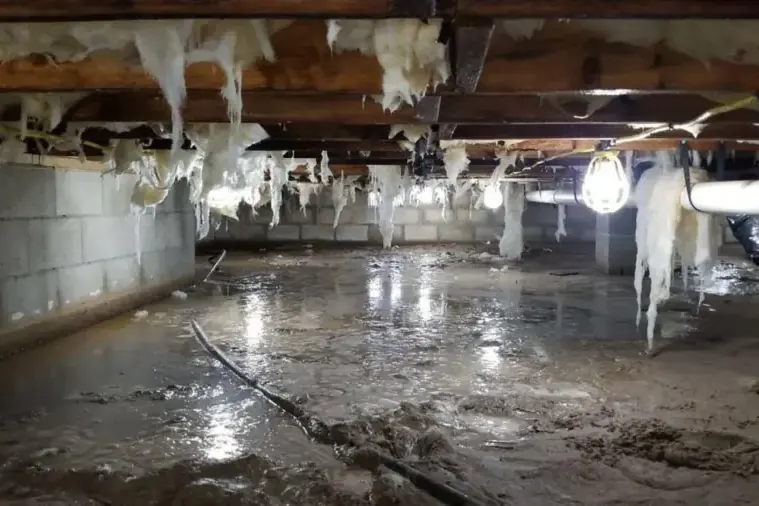
First steps for crawl space water removal in Columbia
- 1
Do not go in alone
Standing water can hide wiring, sharp debris and low clearance. Stay out and let a crew with lights and gear go in.
- 2
Find the source
Look for a leaking pipe, a downspout emptying at the foundation or seepage through the wall, and close the valve if a pipe is the cause.
- 3
Switch off the power
If lights, outlets or equipment sit under the house, turn those circuits off at the panel first.
- 4
Photograph from the opening
Take photos from the opening showing depth and wet insulation, and note when the rain or leak began.
How crawl space water removal is handled in Columbia
Water under a house stays out of sight, and that is the problem. It can sit on the ground for weeks, soak insulation, raise humidity in the floor system and never show up inside until a floor starts to feel soft. Rain runoff, groundwater and plumbing leaks can all leave water under a home, and Columbia's humid summers keep the air beneath a raised house damp even after the puddles are gone.
What does crawl space water removal cost in Columbia, TN?
Shallow clean water in a crawl space often runs $800 to $1,500, storm water with wet insulation $1,500 to $6,000, and sewage or deep flooding up to $14,000.
A little clean water
- Supply leak found quickly
- Pump and wet vacuum cleanup
- Dehumidifier drying afterward
Storm water in the space
- Standing water across the floor
- Wet insulation and barrier removed
- Daily checks on LGR units
Sewage or deep flooding
- Category 3 water beneath the house
- Debris cleanup and disinfecting
- Joists and subfloor dried for weeks
Ranges are typical, not a quote: the category of water, square footage, material class and how fast drying started move the number most. Run the water damage cost calculator for a closer range.
The crawl space water removal process in Columbia
Assess and protect
The crew checks access, power and air quality, then sets lighting and ventilation before anyone goes under the house.
Pump and vacuum
Pumps clear the standing depth and wet vacuums pull water from low pockets between piers.
Remove and clean
Soaked insulation, torn barrier and debris come out, and the exposed wood is cleaned.
Dry and verify
LGR dehumidifiers run until joist and subfloor readings reach the dry reference.
Crawl Space Water Removal in Columbia: what to know
Where the water comes from
Rain that runs toward the foundation, a high water table after a long wet spell and a leaking supply or drain pipe are the three usual sources. A downspout that empties beside the foundation can send a steady stream under the floor every time it rains. Near the Duck River, the 28 foot action stage on the NWS gauge marks when water begins to cover low-lying land, and the creeks that feed the river add to the flow in heavy rain.
Pump-out and cleanup order
Removal follows an order that protects the structure above.
- Pump out standing water and wet vacuum the pockets between piers
- Remove insulation that has soaked through or fallen
- Pull torn or soaked vapor barrier that traps moisture against the wood
- Clear debris and treat damp wood with an antimicrobial
Workers use protective gear, lighting and ventilation, because a crawl space is a tight, damp and poorly lit place. Wet insulation left hanging keeps the wood damp, so it comes out before drying begins.
Drying joists and subfloor
Wood framing holds water longer than most people expect. After the pump-out, LGR dehumidifiers and directed air dry the joists, the underside of the subfloor and the sill. Moisture readings are taken from the wood itself at marked spots, and the logs continue until those spots fall to the dry reference. Hardwood floors above a damp crawl space can cup, so the room overhead is checked with a meter as well.
When the water is sewage
Water that came from a backed-up drain or sewer is Category 3 and changes the job: debris removal, disinfecting and removal of porous material come first. Sewage backup cleanup describes that handling in detail.
Stopping repeat water
Drying repairs the damage but not the source. Gutter and grading fixes, a sump basin and discharge pipe, a plumber for a leaking pipe or a new vapor barrier are separate trades from drying. A dehumidifier left running afterward only manages the air and cannot fix a source that keeps feeding water. The crawl space water risk check helps sort out the likely cause.
Crawl space water removal across Columbia and nearby communities
Crawl space work reaches homes across Columbia, including low ground near the Duck River and Riverwalk Park, older blocks around the Athenaeum Historic District and subdivisions such as Morgan Meadows and Ridgeview Oaks, all within ZIP code 38401.
The same service nearby: crawl space water removal in Spring Hill, Mount Pleasant, Thompson's Station.
Related water damage services in Columbia
Crawl Space Water Removal questions in Columbia, TN
Still wet in Columbia?
Water under the floor keeps working on the wood while nobody can see it. Describe what is happening and the team will explain the next move.
(888) 849-5796 Ask about the Columbia crawl spaceCan water under a house hurt the floors above?
Yes. Damp joists and subfloor can soften, and humid air under the house can reach carpet and hardwood, which may cup or swell over time.
Is the water clean?
Rain and pipe water start out relatively clean, but standing water collects soil and debris, and sewage or river water is Category 3 and needs disinfecting.
Does wet insulation have to be replaced?
Fiberglass batts that have soaked through or fallen usually come out because they hold water against the wood. Dry batts that were never touched can stay.
Will a dehumidifier alone fix it?
Only for damp air. Standing water has to be pumped out first, and wood has to be dried with measured readings, not just a drier room.
How long does crawl space drying take?
Joists and subfloor often need several days of dehumidifying, and the team keeps taking readings until the wood reaches the dry reference, which is the only dependable sign that it is finished.
Who fixes the cause?
Plumbers repair pipes, and drainage or grading contractors handle runoff. The restoration crew dries the structure and documents the cause for the claim.
Dry out the space under the house
The Columbia crew pumps, removes wet insulation and barrier, and dries joists and subfloor to a recorded reading before the damage reaches the floors above.
(888) 849-5796Request a Columbia crawl space visit