Crawl Space Water Removal in Thompson's Station, TN
Water under a house stays hidden and keeps soaking wood. The drying team pumps it out, removes wet insulation and runs dehumidifiers until the joists and subfloor read dry.
(888) 849-5796Call about water under the house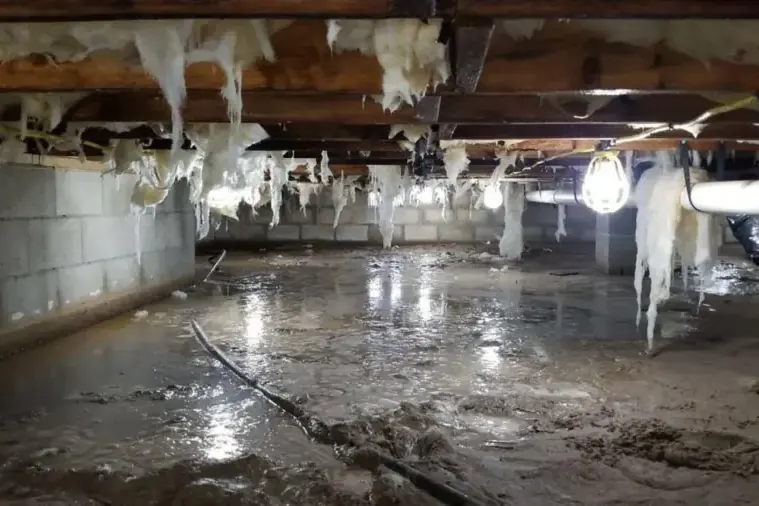
First steps for crawl space water removal in Thompson's Station
- 1
Stay out and shut off power
Keep out of standing water near wiring and switch off power to the space at the breaker panel.
- 2
Find the source
Check whether the water came from rain, a leaking pipe or a drain, and close the valve if it is a pipe.
- 3
Look from the hatch
Photograph the standing water and any sagging insulation from the access opening without climbing in.
- 4
Report the loss
Tell the insurer about the water and the source, and ask the restoration team to test the wood before anything is sealed.
How crawl space water removal is handled in Thompson's Station
Not every home in town has a crawl space, so the first visit confirms what sits under the floor. Where one exists, water collects out of sight, which is why a crawl space can stay wet for weeks. The National Weather Service relayed public reports of significant flooding along Kennedy Creek near Thompson's Station on August 8, 2026, and heavy rain is the usual way water reaches the ground under a house.
What does crawl space water removal cost in Thompson's Station, TN?
Crawl space water removal in Thompson's Station runs $800 to $1,500 for shallow clean water, $1,500 to $6,000 for storm water and wet insulation, and $6,000 to $14,000 for sewage or deep flooding.
Shallow, clean water
- Pipe leak found early
- Pump-out and wet vacuum
- Dehumidifier drying
Storm water, wet insulation
- Standing water across the space
- Insulation and barrier pulled out
- Dehumidifiers with daily readings
Sewage or deep flooding
- Category 3 water under the floor
- Debris cleaned, surfaces disinfected
- Joists and subfloor dried slowly
Ranges are typical, not a quote: the category of water, square footage, material class and how fast drying started move the number most. Run the water damage cost calculator for a closer range.
The crawl space water removal process in Thompson's Station
Test and photograph
The tech checks power, water depth and the source from the access opening.
Remove the water
Pumps and wet vacuums clear the standing water from the ground and low spots.
Strip and clean
Wet insulation and torn barrier come out, and debris is cleaned from the exposed surfaces.
Dry with dehumidifiers
Equipment runs under the floor while joists and subfloor are read daily until dry.
Crawl Space Water Removal in Thompson's Station: what to know
Where the water comes from
Crawl space water has three common sources. Rain and runoff soak in from outside, a leaking supply or drain pipe drips from above, and sewage can back up when a drain fails. The Town lists regular maintenance of ditches and culverts among its flood actions, a reminder that surface drainage around a house matters as much as what happens under it. The source is identified before any pump goes in.
What the crew does underneath
Work under a house is slow, low and wet, so the order of steps matters.
- Pump out or wet-vac standing water
- Remove soaked insulation and torn vapor barrier
- Clean debris and treat the exposed surfaces
- Set a dehumidifier and air movers for the joists
Joists and subfloor are read with a moisture meter every day, because wood that stays damp keeps feeding the problem even when the ground looks dry.
Sewage under the floor
A failed drain or a sewage backup that reaches the crawl space is a Category 3 job. The area is cleaned of debris, affected insulation is removed, and surfaces are disinfected with an EPA-registered antimicrobial before drying begins. Crew members wear protective gear, and the space is ventilated while the work is under way. The Town provides sewer only in named subdivisions, so the crew confirms what the home is connected to.
Moisture control after the pump-out
Water removal does not end the job, since damp ground and wet joists release moisture into the air for days. A dehumidifier sized for the space runs with fans until readings drop, and the crawl space water risk check is a quick way to size up how exposed a home might be. Larger floodwater cases fall under storm and flash flood cleanup, while a crawl space that keeps refilling points to drainage work outside the restoration scope.
Mistakes that make it worse
Fans pointed into a wet crawl space only move damp air around. Closing the vents or the hatch to keep the space tight traps moisture, and stepping through standing water near wiring is a shock risk. Sealing a wet barrier over wet soil also hides the problem. The safer move is to stay out, shut off power to the space and let the restoration team test it first.
Crawl space water removal across Thompson's Station and nearby communities
Crawl space jobs run through Bridgemore Village, Fields of Canterbury, Cameron Farms, Littlebury and Whistle Stop, and out to homes along Thompson's Station Road West and Highway 31. The crew confirms what sits under each floor before choosing equipment.
The same service nearby: crawl space water removal in Spring Hill, Columbia, Fairview.
Water damage restoration in Thompson's Station Every town covered
Related water damage services in Thompson's Station
Crawl Space Water Removal questions in Thompson's Station, TN
Still wet in Thompson's Station?
Water under the floor can sit unseen for weeks, so tell a Thompson's Station water damage pro what the access hatch shows.
(888) 849-5796 Ask about the crawl spaceDoes every home here have a crawl space?
No. It depends on how the house was built, so the first visit looks at what sits under the floor and which equipment fits the space.
How can standing water under a house be spotted?
Look through the access hatch for a wet floor, sagging insulation, a musty smell or water stains on the joists. A flashlight and photos are enough for the first report.
Can a wet vac handle a flooded crawl space?
A wet vac works on shallow puddles. Deeper water needs a submersible pump, and either way the insulation and wood still need a moisture check afterward.
Is wet insulation always removed?
Insulation that has soaked through usually comes out, because it holds water against the subfloor. Dry batts that only sagged may stay, and readings decide the call.
What if the water is from a sewage backup?
That is Category 3 water, so the crew uses protective gear, removes affected materials and disinfects before any drying starts.
How long before the space is dry?
That depends on how much wood and soil got wet. The drying team keeps taking readings and stops equipment only when the joists and subfloor reach their dry target.
Water under a Thompson's Station home?
The drying team can test the space, pump out the water and set dehumidifiers beneath the floor once the source is found.
(888) 849-5796Call about the wet crawl space