Water Extraction and Removal in Fairview, TN
When creeks rise or a pipe lets go, standing water settles into carpet, pad and subfloor. The extraction crew pulls it out first so drying equipment works on damp materials, not a flooded room.
(888) 849-5796Call a Fairview extraction crew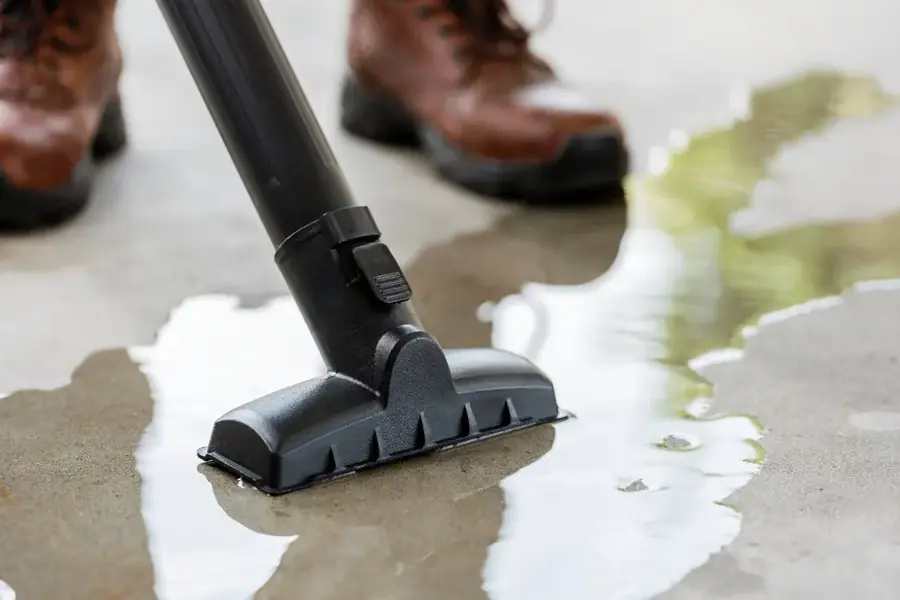
First steps for water extraction and removal in Fairview
- 1
Stop the source
Shut the valve or main if a pipe or hose is leaking. If water came from outside, stay out until power is off.
- 2
Switch off power
Turn off breakers to wet rooms only if the panel is dry, and keep cords, power strips and fans out of standing water.
- 3
Lift what you can
Gather small items, pull rugs and prop up furniture legs on blocks or foil so wet carpet is not staining them.
- 4
Photograph the water
Take photos and video of the water level, wet surfaces and damaged belongings before pumping starts.
How water extraction and removal is handled in Fairview
Extraction is the first real job on a wet floor, and every later step depends on it. In Fairview the water may come from a failed hose, a split pipe, a roof opening or a creek that crept over its banks. Whatever the source, the crew pulls the water out of carpet, pad and flooring before air movers and dehumidifiers start, because drying equipment struggles against standing water. Starting with extraction keeps the rest of the job smaller and easier to measure.
What does water extraction and removal cost in Fairview, TN?
Water extraction in Fairview runs about $400 to $900 for one room, $900 to $2,500 for several rooms, and $2,500 to $6,000 when the water is contaminated or the loss is large.
One room
- A single room, clean water
- Wet vac extraction
- Moisture meter check
Several rooms
- Carpet and pad in more than one room
- Truck-mounted extraction
- Furniture lifted and blocked up
Contaminated or large
- Gray or black water involved
- Pad and carpet cut out and removed
- Antimicrobial applied before drying
Ranges are typical, not a quote: the category of water, square footage, material class and how fast drying started move the number most. Run the water damage cost calculator for a closer range.
The water extraction and removal process in Fairview
Assess the water
The tech checks the source, maps wet areas and classes the water as clean, gray or black.
Extract the water
Pumps, wet vacs and truck-mounted units remove the standing water from floors and low spots.
Decide on materials
Pad and carpet are dried in place or removed, and wet baseboards and drywall edges are checked.
Hand off to drying
Moisture readings are logged, and air movers and dehumidifiers are set for the structural drying stage.
Water Extraction and Removal in Fairview: what to know
Why the water comes out first
Water left in carpet and pad keeps soaking upward into baseboards and drywall, and it holds the humidity of the whole room high. Pumping and extracting most of it cuts the drying load, which means less equipment time, less tear-out and a smaller claim. In early December 2022, about 2 to 4 inches of rain began pushing creeks over their banks and flooding closed Hill Hughes Road near Fairview under about 17 inches of water. Water that gets inside a house follows the same rule: the longer it sits, the further it spreads.
What an extraction visit covers
The crew works in a set order, and the tech who does the walkthrough explains each stage. Truck-mounted units handle large carpeted areas, portable pumps handle deeper water, and wet vacs reach closets, stairs and corners.
- Find the source and confirm it has been stopped
- Pump or vacuum standing water from every wet room
- Extract carpet and pad, or lift the pad to save the carpet
- Check hard floors and subfloor with a moisture meter
Whether carpet can stay depends on the water type and how long it was wet, and the tech explains that decision before anything is cut.
Clean, gray and black water
Water from a supply pipe or tank starts clean. Gray water from a washer or dishwasher and black water from a sewer or creek change the plan, because contaminated pad and carpet are removed instead of dried and surfaces get an antimicrobial before drying starts. Clean water that sits too long can slide toward gray, which is why the clock matters even when the source looks harmless.
The water type is settled at the walkthrough, and it can change the plan mid-job. If a wall check shows gray water has wicked into drywall, the tech updates the scope and explains why before more material is removed.
After the water is out
Extraction removes the bulk of the water, not the moisture held in subfloor, wall bases and framing. Air movers and dehumidifiers take over, with readings logged each day until the materials match a dry reference. Structural drying in Fairview covers that stage in detail. Skipping it is how a floor that feels dry turns into a damp wall a few weeks later.
Furniture, electronics and rugs are moved to dry ground and blocked up, and anything salvageable is dried instead of discarded. A written list of what was removed goes into the claim file, and the drying time estimator gives a rough idea of how long the equipment may stay.
Water extraction and removal across Fairview and nearby communities
Extraction jobs run across Fairview, including Heartland Reserve, Kyles Creek, Aden Woods and Cumberland Estates, along with multi-family housing on Fairview Boulevard. Hard floors, carpet and subfloors get the same pump-out and moisture check anywhere in town, whatever the source of the water.
The same service nearby: water extraction and removal in Spring Hill, Thompson's Station, Columbia.
Related water damage services in Fairview
Water Extraction and Removal questions in Fairview, TN
Still wet in Fairview?
Standing water in a Fairview home? Describe where it is and what caused it, and the crew explains how extraction and drying will go.
(888) 849-5796 Ask a Fairview extraction questionHow soon should standing water be removed?
As soon as the area is safe to enter. Water left in carpet, pad and baseboards keeps spreading, and mold can start to grow within 24 to 48 hours.
Can wet carpet be saved?
Often, when the water is clean and the carpet has not been wet long. The crew lifts the pad, extracts both layers and dries the carpet in place. Contaminated carpet is removed.
What is the difference between extraction and drying?
Extraction removes liquid water with pumps and vacuums. Drying uses dehumidifiers and air movers to pull moisture out of materials that stay behind, such as wood, drywall and subfloor.
Does extraction work on hardwood floors?
It helps, but hardwood needs special care. Surface water is removed quickly, then drying mats or directed air pull moisture from the boards, and cupped planks are monitored with a meter.
Is water from a creek handled the same way?
No. Creek and storm water is Category 3, so extraction is followed by removal of porous materials and disinfection before any drying begins.
Will insurance cover water extraction?
Sudden leaks such as a burst pipe or a failed hose are often covered, and the extraction counts as part of the loss. Photos and moisture readings taken at the start support the claim.
Water still standing in your home?
Describe the source, the rooms involved and how long the water has sat, and the crew outlines what happens first.
(888) 849-5796Call for Fairview water removal