Crawl Space Water Removal in Lewisburg, TN
Water under a raised floor is pumped out, wet insulation is pulled and the joists and subfloor are dried with dehumidifiers, so the problem under the house does not stay hidden.
(888) 849-5796Call about water under the house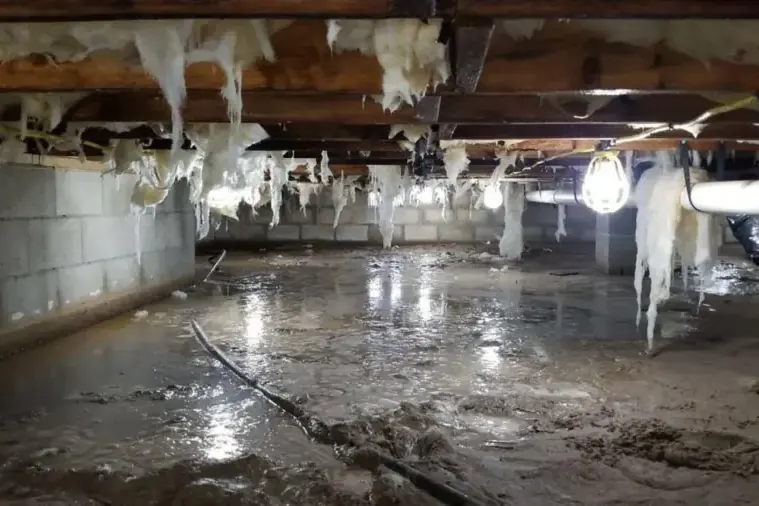
First steps for crawl space water removal in Lewisburg
- 1
Shut off the supply
If a pipe is leaking under the house, close the main valve and avoid entering water that touches wiring or ductwork.
- 2
Stay out when unsafe
Do not crawl into standing water, and keep people and pets away if it came from a sewer or a flooded yard.
- 3
Look from the access door
Photograph the water from the access opening, noting any dripping pipes, soaked insulation or a sagging floor above.
- 4
Write down the details
Record when the water was found, recent rain and anything that changed, such as a new leak or a failed pump.
How crawl space water removal is handled in Lewisburg
Water that collects under a home can sit unnoticed for weeks, because nobody looks there until a floor feels soft or the air smells damp. The county soil survey records about 54 inches of precipitation a year, so wet seasons are a regular test of whatever sits below the floor. A crawl space job starts with pumping, but it only ends when the wood is dry.
What does crawl space water removal cost in Lewisburg, TN?
Crawl space water removal in Lewisburg runs $800 to $1,500 for shallow clean water, $1,500 to $6,000 for storm water and wet insulation, and $6,000 to $14,000 for sewage or deep flooding.
Shallow and clean
- Leak found before it spread
- Pump and wet vac cleanup
- One dehumidifier runs
Storm water, wet insulation
- Water covering the floor
- Wet insulation and barrier out
- LGR units, readings each day
Sewage or deep flooding
- Category 3 water beneath the floor
- Debris hauled out, surfaces treated
- Slow, monitored drying of wood
Ranges are typical, not a quote: the category of water, square footage, material class and how fast drying started move the number most. Run the water damage cost calculator for a closer range.
The crawl space water removal process in Lewisburg
Inspect the space
The tech checks the access opening, finds the water source and photographs the piers and framing.
Pump and remove
Water is pumped out, and wet insulation and a soaked barrier are removed.
Treat and set up
Surfaces are treated when the water was contaminated, then dehumidifiers go in.
Dry and confirm
Joists and subfloor are read each visit until the numbers hold.
Crawl Space Water Removal in Lewisburg: what to know
How water ends up under the floor
Sources include plumbing leaks, drain failures, surface water that follows the lot toward the house, and groundwater after long storms. The soil survey describes Lewisburg as Urban land, where most natural drainageways were rerouted or altered during development, so runoff does not always go where the original ground would send it. The first visit identifies which source is feeding the water, because pumping a space that keeps refilling solves nothing.
Pump-out, insulation and the vapor barrier
A crawl space job usually moves through these steps:
- Pump-out of standing water and wet vac of the rest
- Removal of wet or sagging insulation
- Lifting and discarding a soaked vapor barrier
- Photos of piers, joists and the water mark
Fiberglass insulation that has soaked through rarely recovers, and left in place it holds water against the subfloor. Removing it also exposes the wood so a meter can read the real moisture, which is the number the drying plan depends on.
Drying joists and subfloor
Wood framing holds moisture long after the water is gone, so dehumidifiers and air movers are placed for the space, often with ducting that pushes dry air along the joist bays. Daily readings track the subfloor and the joists until they match a dry reference. The aim is to finish before the damp, still air of a closed space invites mold.
Storm water and sewage under a house
Standing water after a storm is treated as contaminated until shown otherwise, and a sewage release is Category 3 by definition. Both change the plan: protective gear, debris cleanup and antimicrobial treatment come before drying, and porous insulation is always removed. Owners are responsible for the building sewer on private property, so a plumber usually checks the pipe behind a sewage backup. A large sewage release inside the space is handled like sewage backup cleanup in the rest of the house.
Keeping the space dry afterward
A dry space can get wet again if the cause stays. A failed sump pump, grading that slopes toward the house and a downspout that empties beside the foundation all feed the problem. In Lewisburg a sump pump or foundation drain cannot be tied into the public sanitary sewer under the Sewer Use Ordinance, so discharge has to go outdoors.
Crawl space water removal across Lewisburg and nearby communities
Crawl space water calls cover Lewisburg homes with a raised floor, from the blocks around the Marshall County Courthouse to neighborhoods such as Southview, Baymar and Spring Valley Estates. Access openings, pumps and drying equipment are set up wherever the space is reachable.
The same service nearby: crawl space water removal in Spring Hill, Columbia, Mount Pleasant.
Related water damage services in Lewisburg
Crawl Space Water Removal questions in Lewisburg, TN
Still wet in Lewisburg?
Water under a floor stays out of sight while it damages the wood above, so describe what is happening and the crew will plan the pump-out.
(888) 849-5796 Call about the crawl spaceIs water under a house dangerous to leave?
Yes, because wood framing stays damp for a long time, insulation holds water against the subfloor and the humid air under a house can drift up through the floor. Pumping early limits all three.
How does water get into a crawl space?
Plumbing leaks, drain failures, surface runoff and high groundwater after long rain all feed it. Finding the source is part of the job, since pumping a space that refills solves nothing.
Does a sump pump fix a wet crawl space?
A sump basin and discharge pipe can move water out, but only to the outdoors. Lewisburg's Sewer Use Ordinance bars connecting a sump pump or foundation drain to the public sanitary sewer.
Does wet insulation have to be replaced?
Usually yes, since soaked fiberglass sags, loses its value and keeps water against the subfloor. Insulation that was only damp at the surface is judged case by case with a meter.
When is crawl space water treated as sewage?
When it came from a backed-up drain, a broken sewer pipe or a flooded yard carrying runoff. That water is Category 3 and calls for protective gear, treatment and removal of porous materials.
How is drying under the house checked?
Moisture meters read the joists and subfloor each visit, and equipment stays until those readings match a dry reference. The method follows structural drying.
Water under your floor?
The tech inspects the space, pumps it out and sets drying equipment with readings kept for the file.
(888) 849-5796Call the crawl space crew